Geranium
Extract vs HIV / AIDS
Patents : Geranium
Extractshttp://www.medicaldaily.com/hiv-treatment-geranium-extracts-natural-way-fight-infection-inhibit-replication-268301
HIV
Treatment Via Geranium Extracts: Natural Way To Fight
Infection, Inhibit Replication
By John Ericson
By John Ericson
Geranium extracts may represent a natural way of treating HIV and preventing it from progressing to AIDS.
German researchers have found that geranium extracts can inhibit HIV type 1 by preventing the virus from invading human cells, raising the possibility that the next big thing in AIDS prevention may be found in your own backyard.
The new study, which is published in the journal PLOS ONE, shows that the extracts from the geranium plant Pelargonium may represent a previously overlooked method of fighting HIV-1 with natural substances. “Global HIV-1 treatment would benefit greatly from safe herbal medicines with scientifically validated novel anti-HIV-1 activities,” lead author Dr. Ruth Brack-Werner and her colleagues at the German Research Center for Environmental Health in Munich wrote in the study.
“The root extract from the medicinal plant Pelargonium sidoides (PS) is licensed in Germany as the herbal medicine EPs®7630, with numerous clinical trials supporting its safety in humans,” they added. “Here we provide evidence from multiple cell culture experiments that PS extract displays potent anti-HIV-1 activity.”
HIV-1, one of the two known viral strains that cause AIDS, accounts for virtually all infections in the U.S. The other strain, HIV-2, is not widely seen outside Africa. Together, the two subtypes infect nearly three million people every year.
What the new study shows is that the PS extract can attack HIV particles and inhibit so-called viral replication — the process whereby the virus hijacks healthy cells. In an experiment with cell cultures, the researchers were able to trace the protective effect back to polyphenols, a class of naturally occurring compounds. According to Brack-Werner, the extracts thus set the stage for the world’s first HIV therapy based on phytomedicine, or plant-based medicine. “PS extracts attack HIV-1 with a mode-of-action that is different from all anti-HIV-1 drugs in clinical use,” she explained in a press release. “Therefore a PS-based phytomedicine may be a valuable supplement for established anti-HIV therapies.”
A Natural HIV Treatment?
Today, HIV affects 33.4 million people globally. Since the first case was recorded in 1981, more than 25 million people have died from AIDS, the final and typically terminal stage of the infection.
The new study adds to the growing number of recent breakthrough in HIV/AIDS treatment and prevention. In another study from last year, researchers finally solved the mystery of how HIV progresses to AIDS, illuminating for the first time the tremendously complex process whereby the virus tricks the body’s immune cells into committing suicide. Similarly, a potential vaccine candidate from the OHSU Vaccine and Gene Therapy Institute was shown to clear the infection in nine out of 16 monkeys afflicted with a simian model of the disease.
“PS extracts are attractive candidates for increasing anti-HIV-1 therapy options in resource-limited settings, since they are easy to produce and do not require refrigeration,” Brack-Werner concluded. “The results of our study and the proven safety of PS extracts encourages their testing in HIV-1 infected individuals as next step."
http://www.plosone.org/article/info:doi/10.1371/journal.pone.0087487
The
Root Extract of the Medical Plant Pelargonium siodoides Is a
Potent HIV-1 Attachment Inhibitor.
Helfer M, Koppensteiner H, Schneider M, Brack-Werner R.
Helfer M, Koppensteiner H, Schneider M, Brack-Werner R.
Abstract
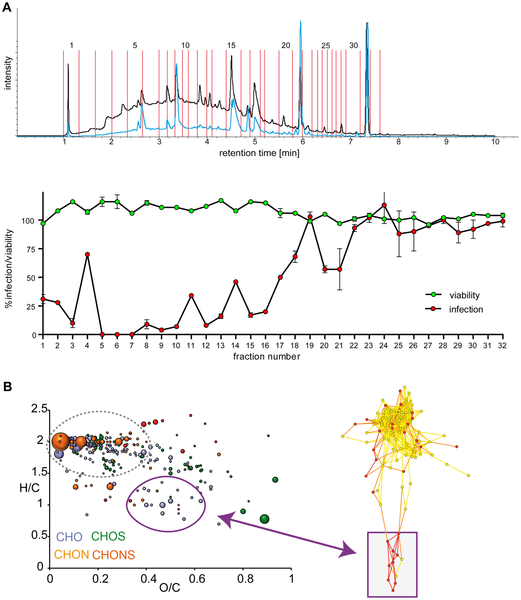
Global HIV-1 treatment would benefit greatly from safe herbal medicines with scientifically validated novel anti-HIV-1 activities. The root extract from the medicinal plant Pelargonium sidoides (PS) is licensed in Germany as the herbal medicine EPs7630, with numerous clinical trials supporting its safety in humans. Here we provide evidence from multiple cell culture experiments that PS extract displays potent anti-HIV-1 activity. We show that PS extract protects peripheral blood mononuclear cells and macrophages from infection with various X4 and R5 tropic HIV-1 strains, including clinical isolates. Functional studies revealed that the extract from PS has a novel mode-of-action. It interferes directly with viral infectivity and blocks the attachment of HIV-1 particles to target cells, protecting them from virus entry. Analysis of the chemical footprint of anti-HIV activity indicates that HIV-1 inhibition is mediated by multiple polyphenolic compounds with low cytotoxicity and can be separated from other extract components with higher cytotoxicity. Based on our data and its excellent safety profile, we propose that PS extract represents a lead candidate for the development of a scientifically validated herbal medicine for anti-HIV-1 therapy with a mode-of-action different from and complementary to current single-molecule drugs.



http://www.integrativepro.com/Products/Respiratory/Pelargonium-Sidoides/V-Clear-EPs-7630-Cherry
V
Clear EPs 7630
V Clear EPs 7630 is an upper respiratory treatment containing a proprietary extract of Pelargonium sidoides plant. This unique homeopathic formula addresses the underlying cause of the symptoms to help speed recovery and shorten the duration of upper respiratory tract irritations.
Clinically Proven Extract
V Clear EPs 7630 contains a proprietary extract, obtained from the roots of the Pelargonium sidoides plant, an herb long used to treat cough and respiratory ailments.
Works Differently
V Clear EPs 7630 addresses the cause to help speed recovery and shorten the duration of upper respiratory tract irritations.
Documented Benefits
EPs 7630 has been the subject of over 20 clinical studies involving more than 9,000 patients, including 3,900 children. It has been an effective, well-tolerated, leading European medicine for more than a decade.
http://en.wikipedia.org/wiki/Pelargonium_sidoides
Pelargonium
sidoides

Umckaloabo
Scientific classification
Kingdom: Plantae
(unranked): Angiosperms
(unranked): Eudicots
(unranked): Rosids
Order: Geraniales
Family: Geraniaceae
Genus: Pelargonium
Species: P. sidoides
Binomial name
Pelargonium sidoides
DC.
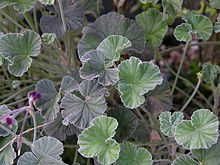
Pelargonium sidoides is a medicinal plant native to South Africa. Its common names include Umckaloabo and South African Geranium. Root extract of Pelargonium sidoides is used as cold and flu medicine under various brand names including Kaloba, Umcka and Zucol.
Medicinal uses
Studies have suggested that extracts from the plant could be used in treating acute bronchitis,[1][2][3] acute non-GABHS tonsillopharyngitis (sore throat) in children,[4] and the common cold.[5]
A 2008 systematic review of these findings by the Cochrane Collaboration concluded that extracts of the plant might be effective in treating adults for acute rhinosinusitis and the common cold in adults, but they noted that this conclusion is not certain. They also wrote that it might be effective in relieving the symptoms of acute bronchitis in adults and children, and also the symptoms of sinusitis in adults.[6]
A 2009 systematic review concluded "There is encouraging evidence from currently available data that P. sidoides is effective compared to placebo for patients with acute bronchitis."[7]
A 2013 update summary of the Cochrane Collaboration however states they "considered the quality of the evidence low or very low for all major outcomes as there were few studies per disease entity, and all were from the same investigator (the manufacturer) and performed in the same region (Ukraine and Russia). Thus, in summary, there is limited evidence for the effectiveness of P. sidoides in the treatment of ARIs."[8]
It has been shown to be antimycobacterial with significant antibacterial properties against multi-resistant Staphylococcus aureus strains.[9] Gallic acid and its methyl ester present in large amounts in P. sidoides and in its active extracts, were identified as the prominent immunomodulatory principle.[10]
The Pelargonium sidoides extract EPs 7630 is an approved drug for the treatment of acute bronchitis in Germany. Determination of virus-induced cytopathogenic effects and virus titres revealed that EPs 7630 at concentrations up to 100 µg/ml interfered with replication of seasonal influenza A virus strains (H1N1, H3N2), respiratory syncytial virus, human coronavirus, parainfluenza virus, and coxsackie virus but did not affect replication of highly pathogenic avian influenza A virus (H5N1), adenovirus, or rhinovirus.[11]
"Pelargonium sidoides extract modulates the production of secretory immunoglobulin A in saliva, both interleukin-15 and interleukin-6 in serum, and interleukin-15 in the nasal mucosa. Secretory immunoglobulin A levels were increased, while levels of IL-15 and IL-6 were decreased. Based on this evidence, we suggest that this herbal medicine can exert a strong modulating influence on the immune response associated with the upper airway mucosa."[12]
A randomized, double-blind, placebo-controlled clinical trial of 200 patients concluded "EPs 7630 was shown to be efficacious and safe in the treatment of acute bronchitis in children and adolescents outside the strict indication for antibiotics with patients treated with EPs 7630 perceiving a more favorable course of the disease and a good tolerability as compared with placebo."[13]
PelargoniumSidoides.jpg
References
Aqueous ethanolic extract of the roots of Pelargonium sidoides - New scientific evidence for an old anti-infective phytopharmaceutical Kolodziej H. Planta Medica 2008 74:6 (661-666)
Matthys H, Eisebitt R, Seith B, Heger M (2003). "Efficacy and safety of an extract of Pelargonium sidoides (EPs 7630) in adults with acute bronchitis. A randomised, double-blind, placebo-controlled trial". Phytomedicine. 10 Suppl 4: 7–17. PMID 12807337.
Chuchalin AG, Berman B, Lehmacher W (Nov 2005). "Treatment of acute bronchitis in adults with a pelargonium sidoides preparation (EPs 7630): a randomized, double-blind, placebo-controlled trial". EXPLORE: the Journal of Science and Healing 1 (6): 437–445. doi:10.1016/j.explore.2005.08.009. PMID 16781588.
Bereznoy VV, Riley DS, Wassmer G, Heger M (2003). "Efficacy of extract of Pelargonium sidoides in children with acute non-group A beta-hemolytic streptococcus tonsillopharyngitis: a randomized, double-blind, placebo-controlled trial". Alternative therapies in health and medicine 9 (5): 68–79. PMID 14526713.
Lizogub VG, Riley DS, Heger M (2007). "Efficacy of a pelargonium sidoides preparation in patients with the common cold: a randomized, double blind, placebo-controlled clinical trial". EXPLORE: the Journal of Science and Healing 3 (6): 573–584. doi:10.1016/j.explore.2007.09.004. PMID 18005909.
Timmer A, Günther J, Rücker G, Motschall E, Antes G, Kern WV (2008). "Pelargonium sidoides extract for acute respiratory tract infections". In Timmer, Antje. Cochrane Database of Systematic Reviews (3): CD006323. doi:10.1002/14651858.CD006323.pub2. PMID 18646148.
Pelargonium sidoides for acute bronchitis: A systematic review and meta-analysis Taofikat B. Agbabiaka, a, , Ruoling Guoa and Edzard Ernsta aComplementary Medicine, Peninsula Medical School, Universities of Exeter and Plymouth, Phytomedicine Volume 15, Issue 5, 15 May 2008, Pages 378-385
http://summaries.cochrane.org/CD006323/pelargonium-sidoides-umckaloabo-a-herbal-remedy-for-treating-acute-respiratory-tract-infections cochrane 2013.
Pharmacological profile of extracts of Pelargonium sidoides and their constituents Kolodziej H., Kayser O., Radtke O.A., Kiderlen A.F., Koch E. Phytomedicine 2003 10:SUPPL. 4 (18-24)
Immunomodulatory principles of Pelargonium sidoides Krone D., Mannel M., Pauli E., Hummel T. Phytotherapy Research 2001 15:2 (122-126)
Investigation of the influence of EPs 7630, a herbal drug preparation from Pelargonium sidoides, on replication of a broad panel of respiratory viruses Michaelis M., Doerr H.W., Cinatl Jr. J. [Article in Press] Phytomedicine 2010
Immune responses induced by Pelargonium sidoides extract in serum and nasal mucosa of athletes after exhaustive exercise: Modulation of secretory IgA, IL-6 and IL-15 Luna Jr. L.A., Bachi A.L.L., Novaes e Brito R.R., Eid R.G., Suguri V.M., Oliveira P.W., Gregorio L.C., Vaisberg M. [Article in Press] Phytomedicine 2010
Efficacy and tolerability of EPs 7630 in children and adolescents with acute bronchitis: A randomized, double-blind, placebo-controlled multicenter trial with a herbal drug preparation from Pelargonium sidoides roots Kamin W., Maydannik V., Malek F.A., Kieser M. International Journal of Clinical Pharmacology and Therapeutics 2010 48:3 (184-191)
External links
http://www.ncbi.nlm.nih.gov/pubmed/12807337
http://www.jfponline.com/pages.asp?id=7210
http://herbalafrica.co.za/HerbsPelargonium.htm
Pelargonium
sidoides (Umckaloabo)

Introduction:
For hundreds of years the Zulu, Basuto, Xhosa and Mfengi cultures have used Pelargonium sidoides as a curative for coughs, upper respiratory tract irritations and gastrointestinal concerns. Today, with the advantages of modern science and clinical research, we are able to better understand what makes this traditional remedy work so effectively.
Pelargonium sidoides has been successfully used for the treatment of:
Respiratory infections like bronchitis, sinusitis, and pneumonia, tonsillitis and rhinopharyngitis
It is often used as an alternative to antibiotics
Acute and chronic ear, nose and throat infections
Rapid improvement in the symptoms associated with colds and flu
Analgesic (absence of pain) effects
General:
Pelargonium sidoides occurs throughout the eastern Cape, Lesotho, Free State and southern and south-western Gauteng in the Republic of South Africa.
Pelargonium sidoides is called by Kalwerbossie or Rabassamin South Africa. However, the name Umckaloabo is most commonly known and originates from the Zulu language "heavy cough".
The Englishman Charles Stevens already acknowledged the successful treatment of tuberculosis with umckaloabo in the early 1920’s. Extracts of the root have been available in German pharmacies since 1983 without prescription and have found widespread usage against infections of the sinus, throat and respiratory tract.
The traditional use of Pelargonium sidoides for coughs and chest troubles may be explained by the presence of essential oils. It has not yet been established which ingredients contribute to its antibacterial properties.
Extracts of Pelargonium sidoides have clear antibacterial characteristics against Streptococci, Staphylococci and Bacillus cereus.
Pelargonium sidoides is also rich in phytochemicals, vitamins, minerals and amino acids that enhance the body’s functioning and protects it against diseases. Treatment with Pelargonium sidoides rapidly improves the typical symptoms associated with infections such as cough, fever, sore throat, fatigue and weakness.
How a Zulu remedy became a best-selling new medicine:
With phenomenal growth, it's gone from being an obscure herbal remedy to become one of Germany's top new medicines. In the past two years sales have jumped over 700%--growing faster than any other brand. It's success is attributed to impressive clinical results, high consumer satisfaction and a fascinating history.
A Fascinating Story:
In 1897, an Englishman named Charles Stevens went to South Africa hoping to cure himself of tuberculosis. He consulted with a Basuto tribal healer who gave him a decoction of a local medicinal plant. Fully recovered, Charles Stevens returned to England with his mysterious remedy--which became popular throughout Europe as "Steven's Consumption Cure". In 1920, a former missionary doctor, Adrien Sechehaye, learned of Steven's cure. During the next nine years he treated over 800 patients in Switzerland with a homeopathic preparation of the medicine. In 1929 he published the medical case studies.
But with the introduction of synthetic tuberculosis drugs, Steven’s remedy became largely forgotten in Western medicine--until its recent "rediscovery" by European researchers.
What the Basuto healer gave Charles Stevens was a traditional remedy made from the roots of Pelargonium sidoides - a species of geranium unique to South Africa. Among the Zulu, the medicine was described as "umKhulkane' (denoting respiratory infection) + 'uHlabo' (roughly meaning chest pain).
Works Differently:
While most other cough, cold and sinus medications simply mask outward symptoms, the mechanisms and actions of Pelargonium sidoides actually support faster recovery.
Shortens Duration and Reduces Severity:
Clinical trials show that Pelargonium sidoides shortens the duration and reduces the severity of upper respiratory irritations.
High Satisfaction:
In a physician assessment of adults and children suffering from common cold, chest and throat irritations, was rated effective in nearly 90% of cases!
Its success is attributed to impressive clinical results, high consumer satisfaction and a fascinating history that has its roots in South African heritage and culture.
Chemistry & Pharmacology:
The bioactive ingredients in P.sidoides are the tri- and tetra-oxygenated coumarins, gallic acid and gallic acid methyl ester (polyphenols), various flavonoids, as well as significant levels of calcium and silica.
P.sidoides contains two distinct coumarins: umckalin and its 7-O-methyl ester, together with four other methoxycoumarins and three unique coumarin sulphates. Scopoletin and 6,7,8-trihydroxycoumarin are also found. Most of the coumarins contain a methoxy function at the C7 position and an OH group at either the C6 or C8 positions; functionality that is responsible for their antibacterial activity.
Gallic acid and its methyl ester are present in large amounts. These were identified as the prominent immunomodulatory principle for this herbal medicine. Macrophage activation was confirmed by an in vitro study based on Leishmania parasites (Phytother Res 2001 Mar; 15(2): 122-6). The same authors, Kayser, O. and Kolodziej, H. (Planta Medica 63, 508-510) also studied the antibacterial performance of the various coumarins and gallic acid compounds found in Pelargonium sidoides and found that with the exception of the ineffective (+)-catechin, all the potentially active compounds exhibited antibacterial activities with minimum inhibitory concentrations (MICs) of 200-1000 micrograms/ml. These results provide for a rational basis of the traditional use of umckaloabo.
Studies:
Double-blind, placebo-controlled studies on patients with acute bronchitis confirmed that extracts of p.sidoides were effective in treating this ailment. Similar studies have also shown the effectiveness of p.sidoides extracts for treating tonsillopharyngitis in children in the age group 6-10 years (Phytopharmaka VII, October 2001). Encouraging results have also been achieved with children, especially those who have not responded well to repeated treatment with antibiotics.
The alcoholic extract of the root has been shown to have a three-way effect:
1.) Anti-bacterial: The p.sidoides extract prevents bacteria from attaching to cells in the mucous membranes.
2.) Antiviral effect: Similarly, p.sidoides prevents viruses from attaching to the mucous membrane cells and stimulates the body’s immune system in such a way that both bacteria and viruses are prevented from multiplying.
3.) Expectorant: the extract acts as an expectorant, allowing the body to expel contaminated mucous making conditions less suitable for the multiplication of the bacteria and viruses.
The three-way effect attacks the acute infection at its root, the stabilization of the immune system prevents a re-infection and the vicious circle of infection, short recovery phase and new infection is broken. Due to its bacteriostatic and immune-modulating characteristics p.sidoides appears to be a good alternative to the conventional therapy of treating respiratory illnesses with antibiotics.
PATENTS
FOR GERANIUM EXTRACTS
GERANIUM OIL AND CONSTITUENTS THEREOF FOR TREATMENT OF NEURODEGENERATIVE DISEASES
WO2013168090
The invention relates to the use of effective amount of Pelargonium graveolens essential oil or extract or constituents thereof selected from a group consisting of: (S)(-)citroneIlol, linalool, menthone and isomenthone or any combination thereof, in the preparation of a medicament for treating a mammal suffering from or susceptible to a neurodegenerative condition which can be improved or prevented by inhibition of acetylcholinesterase (ACliE).
COMPOSITION COMPRISING PELARGONIUM EXTRACTS
KR20130099549
PURPOSE: A composition containing a Pelargonium extract is provided to prevent crystallization by reducing the content of alcohol of a final composition, thereby improving formulation stability. CONSTITUTION: A pharmaceutical composition contains a Pelargonium extract and sorbic acid or a salt thereof. The final composition of the pharmaceutical composition contains alcohol in a content of 1.0 wt% or less. The extract is prepared from Pelargonium Sidoides, Pelargonium Reniforme, or a mixture thereof using a solvent selected among water, ethanol, propanol, butanol, and a mixture thereof. The pharmaceutical composition additionally contains tartaric acid as a pH adjusting agent. [Reference numerals] (AA) Example 1- Stationary sate at room temperature (14 days,25 [deg.]C); (BB) Example 1- refrigerate stationary sate (7 days, 4[deg.]C); (CC) Example 21- Stationary sate at room temperature (14 days, 25[deg.]C); (DD) Example 21- refrigerate stationary sate (14 days, 4[deg.]C)
HERBAL SUPPLEMENT PREPARED FROM GERANIUM
US2012225144
CA2734231
An extraction method for extracts of Geranium or Pelargonium with improved methylhexaneamine content is provided. The method involves separating the oil phase from the aqueous phase; concentrating the aqueous phase; purifying the oil phase; and recombining the resulting material. Additionally, extracts of Geranium or Pelargonium prepared by the extraction method are provided. The extracts are useful in compositions, for example as dietary supplements, and for appetite suppression.
Compound essential oil for improving skin properties
CN102397182
The invention discloses compound essential oil for improving skin properties and aims to better satisfy people's appeal to natural skin care in the aspect of skin care. The compound essential oil provided in the invention comprises, by weight percentage, 32 to 45% of rose essential oil, 5 to 10% of lavender essential oil, 3 to 8% of Yilan essential oil, 20 to 30% of teaplant essential oil, 10 to 20% of fish pelargonium essential oil, 2 to 6% of mastic essential oil and 3 to 8% of aloe essential oil. The compound essential oil can effectively solve the skin problems of a tarnished color, poor absorption capability, dryness, poor elasticity, proneness to wrinkling, too much secretion of grease, etc., and has a good effect on improving skin properties.
COMPOSITION FOR TREATMENT OF CANCER
WO2010052680
A natural composition comprising extracts of at least three of Petroselinum, Cymbopogon, Citrus, Apium graveolens, Aloysia, Foeniculum, Melissa, Fortunella, Arisaema, and Pelargonium for the treatment or prevention of cancer.
PLANT EXTRACT HYDROLYSATES AND ANTIBACTERIAL PRODUCT CONTAINING THE SAME
US2011244041
The invention relates to a hydrolyzate from at least one extract of at least one plant material selected from the group consisting of at least one genus: Equiseti, Juglandis, Millefolii, Quercus, Taraxaci, Althaeae, Matricariae, Centaurium, Levisticum, Rosmarinus, Angelica(e), Artemisia, Astragalus, Leonurus, Salvia, Saposhnikovia, Scutellaria, Siegesbeckia, Armoracia, Capsicum, Cistus, Echinacea, Echinacea, Galphimia, Hedera, Melia, Olea, Pelargonium, Phytolacca, Primula, Salix, Thymus, Vitex, and Vitis; and to a mixture thereof and to a method of production and the use thereof. The invention further relates to an agent and drug obtainable on the basis of the hydrolyzate.
METHOD FOR PRODUCING STORAGE-STABLE SOLUTIONS FROM PELARGONIUM EXTRACTS.
MX2009011183
The invention relates to a method for producing storage-stable solutions from pelargonium extracts, characterized in that the oxygen quantity at atmospheric pressure in the head space of the package used to store the solution of pelargonium extract is reduced to a maximum of 0.025 parts by volume (preferably 0.015 parts by volume, especially preferably 0.005 parts by volume) per volume part of the solution, wherein the content of proanthocyanidines and 2H-1-benzopyran-2-ones after 9 months of storage at 25Â DEG C and a relative humidity of 60% is reduced by a maximum of 10 weight % each (preferably a maximum of 7 weight %, especially preferably a maximum of 5 weight %, particularly a maximum of 3 weight %)
[0001] The invention relates to methods for preparing storage-stable solutions of pelargonium extracts, characterized in that the oxygen quantity at atmospheric pressure in the head space of the package used for storing the solution of pelargonium extracts to a maximum of 0.025 parts by volume (preferably 0.015 parts by volume, more preferably 0.005 parts by volume) is reduced per volume part of the solution, wherein the content of proanthocyanidines and 2H-1-benzopyran-2-ones after 9 months of storage at 25 deg.
C and a relative humidity of 60% to a maximum of 10 weight -% (preferably not more than 7 weight -%, particularly preferably not more than 5 weight -%, in particular up to 3 wt -%) is decreased.
[0002] In the solutions of pelargonium extracts used in the inventive method may, on the one obtained directly in the extract preparation liquid extracts or solutions of the dry extracts or Spissumextrakten in pharmaceutically acceptable solvents, especially water and aqueous alcohols and polyols such as glycerol and act ethanol, and mixtures thereof.
[0003] also used as solutions of Pelargonium Pelargonium extracts Liquid extracts can be prepared by methods known per se.
In principle, any liquid pelargonium extracts proanthocyanidins and 2H-1-benzopyran-2-one can be used in the process of this invention contain.
The solutions used in the inventive method of Perlargonium extracts in the form of liquid extracts can for example be obtained by first dried and crushed roots of Pelargonium sidoides and / or Pelargonium reniforme with a solvent selected from the group consisting of water, aqueous alcohols, aqueous polyols and mixtures thereof, in a conventional manner, for example at temperatures of 10 to 100 deg.
C, are extracted.
The drug residue is optionally slightly pressed and the crude extract is filtered, if necessary.
[0004] Preferably, the production of pelargonium liquid extract by percolation using an aqueous ethanolic solvent, optionally after a previously performed mashing using an aqueous ethanolic solvent, according to the EP 1 429 795th
[0005] Other suitable Pelargonium liquid extracts, for example, in DE 10 2004 0639 10, in particular in paragraph [0017] and the examples 3 and 4.
The disclosure of the latter two publications is hereby expressly includes the production of Pelargonium liquid extracts by reference herein.
The extract solution may either directly incurred in the production or produced by dissolving a suitable dry extract.
[0006] extracts of Pelargonium species, in particular from Pelargonium sidoides and / or Pelargonium reniforme can be used in medicines or food and be ingested orally, usually as solid or liquid dosage forms.
Major components of these extracts are proanthocyanidins and substituted 2H-1-benzopyran-2-ones (coumarins).
[0007] solutions of pelargonium extracts, such liquid pharmaceutical dosage forms which contain these extracts from Pelargonium sidoides and / or reniforme in solution, however, have the drawback of an insufficient storage stability.
When storing a decrease in the content of proanthocyanidins and 2H-1-benzopyran-2-ones is detected.
[0008] The object of the present invention is therefore to provide storage-stable solutions of Pelargonium extracts available.
The content of proanthocyanidins and the content of 2H-1-benzopyran-2-ones for the desired storage time under defined conditions may decrease by a maximum of 10%.
In particular, the contents of storage at a temperature of 25 ° to.
C and a relative humidity of 60% within nine months to a maximum of 10%, preferably not more than 7%, more preferably at most 5%, and more than 3%, based on the weight decrease.
[0009] This object is erfindungemäss achieved by a process for the preparation of solutions of pelargonium extracts, characterized in that the oxygen quantity at atmospheric pressure in the head space of the package used for storing the solution of pelargonium extracts to a maximum of 0.025 parts by volume per volume part of the solution is reduced, wherein the content of proanthocyanidines and 2H-1-benzopyran-2-ones after 9 months of storage at 25 deg.
C and a relative humidity of 60% to a maximum of 10 weight -% is reduced.
[0010] proanthocyanidins are understood to be mono-, oligo-and polymeric flavone derivatives, which are composed of flavan-3-ol units, preferably from gallocatechin, epigallocatechin, catechin and epicatechin, and usually with group determination methods, such
Example, be measured photometrically according to Folin-Ciocalteu.
[0011] contained in Pelargonium species and stabilizing 2H-1-benzopyran-2-ones are 5 - to 8-position of two-to tetrasubstituted by hydroxy, methoxy and / or Sulfooxy 2H-1-benzopyran-2-one .
The quantification is typically effected by HPLC with UV detection, wherein one or more lead compounds such
B. 6,8-bis-(sulfooxy)-7-hydroxy-2H-1-benzopyran-2-one (compound I) and 7-hydroxy-5 ,6-dimethoxy-8-sulfooxy-2H-1-benzopyran-2 -one (compound II) can be selected for the determination.
[0012] It has surprisingly been found that such storage-stable solutions of pelargonium extracts can be obtained if the volume of oxygen is limited or reduced in the head space of the package used for storage.
It is particularly surprising that this stabilization also in the case of 2H-1-benzopyran-2-one succeeds, as these are not considered as sensitive to oxygen.
[0013] The 2H-1-benzopyran-2-one basic structure is in neutral or weakly acidic medium usually very stable, so that an instability expects if by hydrolytic cleavage of sulfate residues in the aforementioned substituted 2H-1-benzopyran-2-ones could be.
Thus, for example, should be to eliminate by adjustment of the pH, the hydrolysis is not, however, be achieved by the inventive measures to stabilize the compounds I and II.
It is therefore particularly surprising that with the process of this invention, stabilization in the case of the 2H-1-benzopyran-2-one.
[0014] The inventive method for the reduction of the oxygen content comprises selecting a container with a correspondingly small head space and / or the displacement of oxygen by means of modified atmosphere and / or the removal of oxygen from the headspace of the container by an oxygen-removing agent ("oxygen scavenger") , said means may consist of one or more substances, and is such that it does not react or only to an insignificant extent with ingredients of the solution of pelargonium extracts.
[0015] According to the invention the head space volume of the container and / or the conditions of the protective gas to be selected so that the oxygen volume in the headspace at atmospheric pressure, a maximum of 0.025 parts by volume (preferably 0.015 parts by volume, more preferably 0.005 parts by volume) of oxygen per part by volume of the solution of pelargonium species amounts.
As a protective gas, in particular nitrogen, carbon dioxide or noble gases such as are
As argon and in mixtures, into consideration.
[0016] oxygen-removing agent ("oxygen scavenger") containing one or more substances that are alone and / or in combination in a position included in the headspace of the container oxygen by adsorption and / or absorption and / or chemical reaction to remove .
The composition of the oxygen-removing agent according to the invention to be selected so that the oxygen content in the package headspace to a maximum of 0.025 parts by volume (preferably 0.015 parts by volume, more preferably 0.005 parts by volume) of oxygen per part by volume of the solution of pelargonium extracts is reduced.
[0017] As part of the oxygen scavenging agents are for example the following substances are suitable: ascorbic acid, salts of ascorbic acid such as sodium ascorbate, potassium ascorbate, or calcium ascorbate, esters of ascorbic acid with fatty acids such as palmitic or stearic acid, metals or metal salts in low oxidation states, such as iron, iron (II ) oxide, iron (II) hydroxide or iron (II) chloride or oxidizable polymers such as MXD6, a condensed polymer of m-xylylenediamine and adipic acid.
[0018] From the literature are known numerous possible embodiments of suitable oxygen scavenging agent.
[0019] The JP3014481 for example, discloses an oxygen-permeable, iron and possibly other substances containing bags with low moisture permeability, which can be used to remove oxygen from the filled containers with liquids.
[0020] From JP2003081353 are adhesive films having a multilayer structure including an oxygen-absorbing layer, are known which can be fixed to the inside of the packaging used for the storage of an oxygen sensitive material.
[0021] Screw caps with oxygen-absorbing insoles are described for example in EP1742850.
[0022] Another possible embodiment is represented by multi-layer plastic containers in which the oxygen is bound by a layer of at least one oxidizable polymer, as disclosed for example in the W02005 014 410.
[0023] The determination of proanthocyanidins (= total phenols) and the 2H-1-benzopyran-2-one I and II is given below:
Determination of proanthocyanidins according to Folin-Ciocalteu:
The determination of proanthocyanidins photometrically in analogy to the pharmacopoeia method for tannins (DAB 2000) after reaction with molybdate-tungstate reagent.
To said extract is dissolved in aqueous ethanol, made alkaline with sodium carbonate solution and combined with molybdate tungstate reagent.
After centrifugation the absorbance of the supernatant at 720 nm is measured against water.
The calculation is epicatechin.
Determination of the 2H-1-benzopyran-2-one I and II:
Determination of the compounds I and II is carried out by HPLC on an RP-18 column.
The mobile phase acetonitrile / water / phosphoric acid gradient (10:990:4 205:795:4) will be used.
Is detected in UV light at 330 nm
The calculation of the individual coumarin peak occurs as scopoletin.
[0024] For the determination of oxygen in the package headspace is a standard method used (GC over a molecular sieve column with thermal conductivity detection).
[0025] percentages are in the above description and in the following examples, unless otherwise indicated, are by weight.
Examples
[0026] In Examples 1 to 4, the following ethanolic-aqueous extract was used:
Ground roots of Pelargonium sidoides was at twice the amount by weight of ethanol (35% by weight) and stored at room temperature for 20 h.
Thereafter, the mixture was percolated on 10 and then filtered at eight times the amount by weight of ethanol (6% by weight) h.
Example 1: (Comparative Example)
[0027] A solution containing 80 wt% of the above aqueous ethanolic extract from Pelargonium sidoides and 20 wt
% Glycerol is filled under normal atmosphere (21% oxygen) in brown glass bottles.
The filling volume is 20 ml, the head space volume of the bottle is 5 ml
The bottles are provided with a dropper insert and sealed with a screw cap.
The oxygen content in the headspace is 0.053 parts by volume of oxygen per volume of solution.
After 9 months of storage at 25 deg.
C / 60% RH is the reduced specific content of the solution and the specific proanthocyanidins by HPLC content of compounds I and II by the method of Folin-Ciocalteu.
Substance <sep> Content relative to the initial value
Proanthocyanidins <sep> 85.4%
Compound I <sep> 89.0%
Compound II <sep> 90.9%
Example 2: (reduction of headspace volume)
[0028] A solution containing 80 wt% of the above aqueous ethanolic extract from Pelargonium sidoides and 20 wt
% Glycerol is filled under normal atmosphere (21% oxygen) in brown glass bottles.
The filling volume is 23 ml, the head space volume of the bottle is 2 oz
The bottles are provided under a normal atmosphere with a dropper insert and sealed with a screw cap.
The oxygen content in the head space of 0.018 parts by volume of oxygen per volume of solution.
After 9 months of storage at 25 deg.
C / 60% relative humidity is determined by the method of Folin-Ciocalteu proanthocyanidins content of the solution determined by means of HPLC and the content of compounds I and II is reduced significantly less than in Example 1 (comparative example).
Substance <sep> Content relative to the initial value
Proanthocyanidins <sep> 94.0%
Compound I <sep> 91.3%
Compound II <sep> 94.5%
Example 3: (protective gas with nitrogen)
[0029] A solution containing 80 wt% of the above aqueous ethanolic extract from Pelargonium sidoides and 20 wt
% Glycerol is bottled under a normal atmosphere in amber glass bottles.
The filling volume is 20 ml, the head space volume of the bottle is 5 ml
The bottles are covered with nitrogen, provided with a dropper insert and sealed with a screw cap.
Measured after the closing of the oxygen content in the headspace of the bottle is 7%.
The oxygen content in the head space of 0.018 parts by volume of oxygen per volume of solution.
After 9 months of storage at 25 deg.
C / 60% relative humidity is determined by the method of Folin-Ciocalteu proanthocyanidins content of the solution determined by means of HPLC and the content of compounds I and II is reduced significantly less than in Example 1 (comparative example).
Substance <sep> Content relative to the initial value
Proanthocyanidins <sep> 99.0%
Compound I <sep> 93.5%
Compound II <sep> 93.3%
Example 4: (filling under a nitrogen blanket in ampoules)
[0030] A solution containing 80 wt% of the above aqueous ethanolic extract from Pelargonium sidoides and 20 wt
% Glycerol is filled under a nitrogen blanket in ampoules.
The filling volume is 5 ml
The ampoules are sealed by fusion.
The headspace volume of 1 ml ampoules is
Measured after the closing of the oxygen content in the headspace of the vials was 1%.
The oxygen content in the head space of 0.002 parts by volume of oxygen per volume of solution.
After 9 months of storage at 25 deg.
C / 60% relative humidity is certain by the method of Folin-Ciocalteu content of the solution and the specific proanthocyanidins by HPLC content of compounds I and II with respect to the initial value comparable or hardly reduced.
Substance <sep> Content relative to the initial value
Proanthocyanidins <sep> 100.9%
Compound I <sep> 97.5%
Compound II <sep> 98.5%
[0031] In the inventive examples 2, 3 and 4 (in the headspace oxygen content is less than 0.025 parts by volume of oxygen per volume of solution), the contents of proanthocyanidins as well as the compounds I and II after 9 months storage at 25 deg lie.
C / 60% relative humidity in each case more than 90%, thereby satisfying the desired requirements of stability.
Conversely, two of the three respective levels in the comparative example (Example 1, the oxygen content in the head space of more than 0,025 parts by volume of oxygen per volume of solution) of less than 90%, and thereby do not satisfy the desired requirements for stability.
DRY EXTRACTS OF PELARGONIUM SIDOIDES AND PELARGONIUM RENIFORME.
US2010112096
The invention relates to production methods for obtaining dry extracts from Pelargonium sidoides and/or Pelargonium reniforme, extracts obtainable according to said method, and pharmaceutical products comprising such extracts.
001] The present invention relates to production methods for obtaining dry extracts from Pelargonium sidoides and/or Pelargonium reniforme, extracts obtained by said methods and preparations containing such extracts.
[0002] The preparations obtained from the pelargonium species Pelargonium sidoides and/or Pelargonium reniforme native to southern Africa are traditionally used in this region for the therapeutic treatment of respiratory disorders and gastrointestinal symptoms.
[0003] The efficacy of an aqueous-ethanolic liquid extract of the roots of Pelargonium sidoides, EPs 7630, in the treatment of infections of the respiratory tract and the ENT region has meanwhile been proven by numerous clinical studies and observations of practical application (Kolodziej et al., Deutsche Apotheker Zeitung 143 (12): 55-64 (2003)).
[0004] The effect of the extract is caused by several therapeutically active components. Tanning agents and coumarin derivatives are considered important therapeutic components in Pelargonium sidoides. Such components are also contained in extracts from Pelargonium reniforme.
[0005] Depending on their consistency, the European Pharmacopoeia classifies extracts into liquid (liquid extracts and tinctures), semi-solid (viscous extracts) and solid (dry extracts) preparations. Dry extracts are prepared by evaporation or removal of the solvent used for preparation and usually have a loss in drying or water content of 5 wt.-% maximum. They have many advantages vis-à-vis liquid and semi-solid extracts. They have better stability, are easier to handle and may be used for preparing solid galenic dosage forms. In particular, direct use of an aqueous-ethanolic liquid extract is ruled out in those cases where a liquid dosage form without alcohol is desirable, for example in the administration to children.
[0006] Dry plant extracts are, for example, known from EP 0 589 921 B 1 and EP 1 037 674. These dry extracts contain carrier substances, among other things.
[0007] EP 0 589 921 B 1 relates to thick and/or dry plant extracts having the same or a very similar active ingredient spectrum as a corresponding liquid extract, the use thereof and a method for producing the same. EP 0 589 921 B 1 is based on the problem that not all of the volatile drug ingredients of liquid extracts may be contained in the resulting thick and/or dry extracts due to evaporation of the solvent in case of conventional drying. In addition, the extracts disclosed may contain pharmaceutical excipients, carrier media and/or disintegrants. Preferred substances cited are, among others, mono- and/or polysaccharides and cellulose, cellulose derivatives, starch and starch derivatives. The addition of the excipients which takes place after removing the solvent of the original liquid extracts has the object of preventing the escape of volatile components to any significant extent during the subsequent processing to obtain pharmaceuticals.
[0008] EP 1 037 647 B 2 relates to dry medicinal plant extracts from Passiflora, Agnus castus, Crataegus, Gingko, stinging nettle extract, valerian, Cimicifuga root or rootstock and/or Cynara for peroral application wherein the non-volatile phase of the extract is bonded to a carrier I which is solid at room temperature and is selected from polyethylene glycols, polyvinyl alcohols, polyvidone acetate and/or polyvinyl pyrrolidone as well as a carrier II which is selected from alcohol-insoluble, water-insoluble, water-swellable carriers solid at room temperature and or alkaline earth metal and/or alkali metal carbonates including hydrogen carbonates in micro-disperse form and/or in the form of a semi-solid or solid solution, optionally in addition to other excipients and/or additives. Such extracts are characterised by a release of the plant ingredients which is defined with regard to extent and speed.
[0009] However, we are faced with a problem in the preparation of pelargonium dry extracts, namely that the dry extracts obtained by direct drying of pelargonium liquid extracts will not dissolve completely even in a large solvent excess in physiologically compatible, primarily aqueous and or aqueous-alcoholic solvents including mixtures of water and polyols and, optionally, alcohols (cf. comparative examples 1-2). On the one hand, this makes the production of liquid preparations from these dry extracts difficult, while the efficacy of the dry extracts may be generally affected on the other.
[0010] Therefore, it is the object of the present invention to provide dry extracts from Pelargonium sidoides and/or reniforme having improved solubility.
[0011] Dry extracts prepared by the method of the invention are at least somewhat soluble in physiologically compatible solvents. According to the European Pharmacopoeia, 5thed., they dissolve practically without residues at a ratio of at least 1 g of dry extract to 100 ml of solvent and thus yield a clear or opalescent solution without any sediment. Said opalescence is not higher than the opalescence reference suspension of the European Pharmacopoeia, 5thed. (corresponding to 60 NTU=Nephelometric Turbidity Units).
[0012] Surprisingly, it has now been found that the solubility of dry extracts from Pelargonium sidoides and/or Pelargonium reniforme is significantly improved if carrier substances selected from the group of saccharides and sugar alcohols are added to the extract solutions used before conversion to a solid form by drying. This effect is particularly surprising as the solution characteristics of dry extracts prepared by the conventional route in physiologically compatible solvents cannot be improved by simple admixing of these carrier substances (see comparative examples 3-8).
[0013] The improved solubility of the dry extracts of the invention is particularly advantageous if the dry extracts are processed with the customary excipients to obtain (coated) tablets. In this case, a particularly favourable release of the active ingredient can be achieved by using the dry extract of the invention. Typically, this will be demonstrated in accordance with the method 2.9.3.5 of the European Pharmacopoeia, 5thed., "Prüfung der Wirkstofffreisetzung aus festen Arzneiformen" (testing the release of active ingredients from solid dosage forms). A good release of the active ingredient from the dosage form is a prerequisite for a good efficacy.
[0014] The extract solutions of Pelargonium sidoides and/or Pelargonium reniforme (i.e. solutions of the starting extract) to be used in the method for preparing the dry extracts of the invention may be obtained, for example, by first extracting dried and comminuted roots of Pelargonium sidoides and/or Pelargonium reniforme with water and one or more aqueous-alcoholic solvents or one or more aqueous-ketonic (i.e. aqueous-acetonic) solvents by the conventional route, for example at temperatures of 10 to 100[deg.] C. Where necessary, the drug residue is slightly squeezed out and the crude extract optionally filtered. It is preferred to use mixtures of water and a monohydric C1-C3 alcohol selected from methanol, ethanol, 1-propanol and 2-propanol for preparing the solution of the starting extract.
[0015] The water portion of the aqueous-alcoholic or aqueous-ketonic solvents is preferably at least 50 wt.-% and preferably at most 95 wt.-%. It is preferred to prepare the liquid extract by percolation with an aqueous-ethanolic solvent, optionally after prior mashing with an aqueous-ethanolic solvent in accordance with EP 1 429 795.
[0016] Other suitable extract solutions are also described in DE 10 2004 063 910, for example, especially in para. [0017] and examples 3 and 4. The disclosure of the two latter publications is expressly included by reference with regard to the preparation of extract solutions.
[0017] After that, a solid carrier substance is dissolved in the liquid extract thus obtained. Alternatively, several solid carrier substances may be used. The mass ratio of the carrier substance(s) to the dry residue (determined in accordance with the European Pharmacopoeia, 5thed., by three hours of drying at 100 to 105[deg.] C.) of the extract solution is 1:4 to 9:1, preferably 1:1 to 6:1, especially 2:1 to 5:1. The solution is concentrated and dried by the usual methods, for example at a pressure of 0.001 bar to atmospheric pressure and a temperature of 20 to 100[deg.] C. Alternatively, the carrier substance(s) may be added during the concentration step.
[0018] Suitable carrier substances are monosaccharides such as fructose, galactose, glucose, xylose and/or oligosaccharides such as [alpha]-cyclodextrin, [beta]-cyclodextrin, [gamma]-cyclodextrin, hydroxypropyl betadex, lactose, lactulose, maltose, raffinose, saccharose, trehalose and/or polysaccharides such as chitosan, chitosan hydrochloride, dextran, dextrin guargalactomannan, gum arabic, hydroxyethyl cellulose, hydroxypropyl cellulose, hydroxypropylmethyl cellulose, inulin, maltodextrin, methylcellulose, methylhydroxyethyl cellulose, polydextrose and/or sugar alcohols such as erythritol, isomalt, lactilol, maltitol, mannitol, sorbitol, xylitol.
[0019] Another subject matter of the invention are dry extracts from Pelargonium sidoides and/or reniforme that may be obtained by the method of the invention.
[0020] Another subject matter of the invention are preparations containing said dry extracts, optionally in combination with other substances such as active ingredients and/or excipients.
[0021] These preparations may be drugs, food products, medical products, cosmetic products or consumer products, for example. Food products should especially be interpreted as dietetic food products, food supplements as well as medical food, health food and dietary supplements.
[0022] The dry extracts of the invention may be processed together with the customary excipients to obtain solid preparations such as powders, granulates, pellets, tablets, capsules or coated tablets. Excipients suitable for use may be the customary fillers, binders, disintegrants, lubricants and, optionally, aroma and flavouring agents and coating agents for coated tablets. The customary excipient oils and fats may be used as fillers in the preparation of soft capsules; the shell of the soft capsules may be made of gelatine, for example. The dry extracts according to the invention may be processed with the customary excipients to obtain liquid preparations such as solutions, sprays, emulsions and suspensions. Common solvents, solubilisers, stabilisers as well as aroma and flavouring agents may be used as excipients. Dosing is selected in such a manner that a quantity of the dry extract is taken per day which corresponds to 2 to 1,000 mg, preferably 5 to 400 mg, and especially preferably 10 to 200 mg of dry residue of the liquid extract used for preparation.
EXAMPLES
[0023] The following solvents A and B were used in the comparative examples 1 to 8 and the examples 9 to 14:
Solvent A:
[0024]
[0000]
Ethanol 96 vol.-% 10 parts by mass
Glycerol 85 wt.-% 20 parts by mass
Water 70 parts by mass
Solvent B:
[0025]
[0000]
Glycerol 85 wt.-% 10 parts by mass
Xylitol 10 parts by mass
Water 80 parts by mass
Comparative Examples 1 to 8
[0026] 28 kg of ethanol (35 wt.-%) were added to 14 kg of ground root of Pelargonium sidoides and stored at room temperature for 20 hrs. Afterwards, the mixture was percolated with 112 kg of ethanol (6 wt.-%) for 10 hrs and then filtered. The dry residue of the filtrate was 1.78 wt.-%.
[0027] 50 kg of this liquid extract were dried at 50[deg.] C. under vacuum (up to 18 mbar).
[0028] 1 g each of the dry extracts obtained was mixed with 100 ml of the solvent A or B, optionally after thorough mixing with 4.55 g of a carrier substance in a mortar.
[0000]
Comparative
example No.
1 2 3 4 5 6 7 8
Dry extract 1.00 g 1.00 g 1.0 g 1.00 g 1.00 g 1.00 g 1.00 g 1.00 g
Mannitol - - 4.55 g 4.55 g - - - -
Saccharose - - - - 4.55 g 4.55 g - -
Maltodextrin - - - - - - 4.55 g 4.55 g
Supernatant 1.5 6.5 1.84 3.8 1.8 4.2 14 115
opalescence
(NTU)
Solvent A B A B A B A B
Sediment + + + + + + + +
[0029] The dry extract was not completely soluble. All of the solutions showed a sediment.
Examples 9 to 10
Examples According to the Invention
[0030] 28 kg of ethanol (35 wt.-%) were added to 14 kg of ground root of Pelargonium sidoides and stored at room temperature for 20 hrs. Afterwards, the mixture was percolated with 112 kg of ethanol (6 wt.-%) for 10 hrs and then filtered. The dry residue of the filtrate was 1.78 wt.-%.
[0031] 1.25 kg of mannitol were dissolved in 15.4 kg of this liquid extract. The solution was dried at 50[deg.] C. under vacuum (up to 18 mbar).
[0032] 5.55 g each of the dry extracts obtained (corresponding to 1 g of the native portion and 4.55 of mannitol) were mixed with 100 ml of solvent A or B.
[0000]
Example No.
9 10
Dry extract with mannitol 5.55 g 5.55 g
Opalescence of the solution 3.2 2.6
(NTU)
Solvent A B
Sediment - -
[0033] The dry extract dissolved completely. Both solutions showed no sediment.
Examples 11 to 12
Examples According to the Invention
[0034] 28 kg of ethanol (35 wt.-%) were added to 14 kg of ground root of Pelargonium sidoides and stored at room temperature for 20 hrs. Afterwards, the mixture was percolated with 112 kg of ethanol (6 wt.-%) for 10 hrs and then filtered. The dry residue of the filtrate was 1.78 wt.-%.
[0035] 1.19 kg of saccharose were dissolved in 14.7 kg of this liquid extract. The solution was dried at 50[deg.] C. under vacuum (up to 18 mbar).
[0036] 5.55 g each of the dry extracts obtained (corresponding to 1 g of the native portion and 4.55 of saccharose) were mixed with 100 ml of solvent A or B.
[0000]
Example No.
11 12
Dry extract with saccharose 5.55 g 5.55 g
Opalescence of the solution 4.2 2.0
(NTU)
Solvent A B
Sediment - -
[0037] The dry extract dissolved completely. Both solutions showed no sediment.
Examples 13 to 14
Examples According to the Invention
[0038] 28 kg of ethanol (35 wt.-%) were added to 14 kg of ground root of Pelargonium sidoides and stored at room temperature for 20 hrs. Afterwards, the mixture was percolated with 112 kg of ethanol (6 wt.-%) for 10 hrs and then filtered. The dry residue of the filtrate was 1.78 wt.-%.
[0039] 1.34 kg of maltodextrin were dissolved in 16.5 kg of this liquid extract. The solution was dried at 50[deg.] C. under vacuum (up to 18 mbar).
[0040] 5.55 g each of the dry extracts obtained (corresponding to 1 g of the native portion and 4.55 of maltodextrin) were mixed with 100 ml of solvent A or B.
[0000]
Example No.
13 14
Dry extract with maltodextrin 5.55 g 5.55 g
Opalescence of the solution 4.7 33
(NTU)
Solvent A B
Sediment
[0041] The dry extract dissolved completely. Both solutions showed no sediment.