Geroprotectors
http://geroprotectors.org/
http://www.ncbi.nlm.nih.gov/pubmed/26342919
Aging (Albany NY). 2015 Sep;7(9):616-28.
Geroprotectors.org:
a new, structured and curated database of current
therapeutic interventions in aging and age-related
disease.
Moskalev A, Chernyagina E, de Magalhães JP, Barardo D, Thoppil H, Shaposhnikov M, Budovsky A, Fraifeld VE, Garazha A, Tsvetkov V, Bronovitsky E, Bogomolov V, Scerbacov A, Kuryan O, Gurinovich R, Jellen LC, Kennedy B, Mamoshina P, Dobrovolskaya E, Aliper A, Kaminsky D, Zhavoronkov A.
Moskalev A, Chernyagina E, de Magalhães JP, Barardo D, Thoppil H, Shaposhnikov M, Budovsky A, Fraifeld VE, Garazha A, Tsvetkov V, Bronovitsky E, Bogomolov V, Scerbacov A, Kuryan O, Gurinovich R, Jellen LC, Kennedy B, Mamoshina P, Dobrovolskaya E, Aliper A, Kaminsky D, Zhavoronkov A.
Abstract
As the level of interest in aging research increases, there is a growing number of geroprotectors, or therapeutic interventions that aim to extend the healthy lifespan and repair or reduce aging-related damage in model organisms and, eventually, in humans. There is a clear need for a manually-curated database of geroprotectors to compile and index their effects on aging and age-related diseases and link these effects to relevant studies and multiple biochemical and drug databases. Here, we introduce the first such resource, Geroprotectors (http://geroprotectors.org). Geroprotectors is a public, rapidly explorable database that catalogs over 250 experiments involving over 200 known or candidate geroprotectors that extend lifespan in model organisms. Each compound has a comprehensive profile complete with biochemistry, mechanisms, and lifespan effects in various model organisms, along with information ranging from chemical structure, side effects, and toxicity to FDA drug status. These are presented in a visually intuitive, efficient framework fit for casual browsing or in-depth research alike. Data are linked to the source studies or databases, providing quick and convenient access to original data. The Geroprotectors database facilitates cross-study, cross-organism, and cross-discipline analysis and saves countless hours of inefficient literature and web searching. Geroprotectors is a one-stop, knowledge-sharing, time-saving resource for researchers seeking healthy aging solutions.
http://www.sciencealert.com/scientists-have-isolated-6-natural-compounds-that-could-help-us-slow-down-ageing
18 MAR 2016
Scientists
have isolated 6 natural compounds that could help us slow
down ageing
The fountain of youth might only exist as a mythical concept, but that's not stopping scientists from trying to find its molecular equivalent. Right now, there are huge levels of interest in drugs such as rapamycin and metformin, for example, thanks to their impressive life-extending and disease-fighting properties.
But a new study suggests that the anti-ageing effects of these medications might have now been outdone: certain plant extracts have been found to contain the most effective anti-ageing molecules ever seen.
In conjunction with Quebec-based biotech company Idunn Technologies, a team from Concordia University in Canada has conducted more than 10,000 trials screening for plant extracts that could increase the chronological lifespan of yeast.
While you might not think it, yeast is one of the most common organisms studied in longevity research, due to similarities in the ways that yeast and humans age at the cellular level.
"In total, we found six new groups of molecules that decelerate the chronological ageing of yeast," said biologist Vladimir Titorenko from Concordia University.
As the authors report in Oncotarget, one of these compounds – a specific extract of willow bark (Salix alba) – is the most potent longevity-extending pharmacological intervention ever described in scientific literature. In testing, the willow bark extract increased the average chronological lifespan of yeast by 475 percent and the maximum chronological lifespan by 369 percent.
If these findings can be replicated in something other than yeast, it's a major discovery, outperforming the anti-ageing effects of both rapamycin and metformin. And in addition to slowing ageing, the compounds may also have beneficial effects on cellular processes when it comes to preventing related diseases, such as cancer, the researchers say. The other extracts come from Cimicifuga racemosa, Valeriana officinalis L., Passiflora incarnata L., Ginkgo biloba, and Apium graveolens L..
"Rather than focus on curing the individual disease, interventions on the molecular processes of ageing can simultaneously delay the onset and progression of most age-related disorders," said Idunn Technologies founder, Éric Simard. "This kind of intervention is predicted to have a much larger effect on healthy ageing and life expectancy than can be attained by treating individual diseases."
The researchers say they'll be furthering their study of the molecular compounds, with Idunn Technologies collaborating with four other universities on six separate research programs. The goal is to study the plant extracts in an animal model of ageing, in addition to two cancer models. We can't wait to hear the results.
http://www.impactjournals.com/oncotarget/index.php?journal=oncotarget&page=article&op=view&path[]=7665&author-preview=5wx
DOI: 10.18632/oncotarget.7665
Discovery
of plant extracts that greatly delay yeast chronological
aging and have different effects on longevity-defining
cellular processes
Vicky Lutchman, Younes Medkour, Eugenie Samson, Anthony Arlia-Ciommo, Pamela Dakik, Berly Cortes, Rachel Feldman, Sadaf Mohtashami, Mélissa McAuley, Marisa Chancharoen, Belise Rukundo, Éric Simard, Vladimir I. Titorenko
Vicky Lutchman, Younes Medkour, Eugenie Samson, Anthony Arlia-Ciommo, Pamela Dakik, Berly Cortes, Rachel Feldman, Sadaf Mohtashami, Mélissa McAuley, Marisa Chancharoen, Belise Rukundo, Éric Simard, Vladimir I. Titorenko
ABSTRACT
We discovered six plant extracts that increase yeast chronological lifespan to a significantly greater extent than any of the presently known longevity-extending chemical compounds. One of these extracts is the most potent longevity-extending pharmacological intervention yet described. We show that each of the six plant extracts is a geroprotector which delays the onset and decreases the rate of yeast chronological aging by eliciting a hormetic stress response. We also show that each of these extracts has different effects on cellular processes that define longevity in organisms across phyla. These effects include the following: 1) increased mitochondrial respiration and membrane potential; 2) augmented or reduced concentrations of reactive oxygen species; 3) decreased oxidative damage to cellular proteins, membrane lipids, and mitochondrial and nuclear genomes; 4) enhanced cell resistance to oxidative and thermal stresses; and 5) accelerated degradation of neutral lipids deposited in lipid droplets. Our findings provide new insights into mechanisms through which chemicals extracted from certain plants can slow biological aging.
CN104861013
Method for extracting salicin from white willow bark
The invention relates to a method for extracting salicin from white willow bark. According to the method, a salicin-rich product is obtained through a process including sterilization, infiltration, enzymolysis extraction, separation and drying. The method creatively adopts the process in which enzyme deactivation and salt solution soaking are performed before enzymolysis, the kind of enzyme in enzymolysis reaction is determined by system screening, and a white willow bark extract containing more than 95 percent of salicin is obtained through twice column chromatography separation and microwave drying. Quicklime is not needed to be used in the whole method, all materials used in the method are conventional materials, the cost is low, the yield is high, a solvent can be used repeatedly, environmental pollution is reduced, and industrialization is facilitated.
GB2483934
Botanical extracts obtained by subcritical water extraction
Subcritical water extraction may be applied to botanical material (Baikal skullcap (Scutellaria baicalensis), St John's Wort (Hypericum perforatum), rosemary (Rosmarinus officinalis), lemon balm (Melissa officinalis), red clover (Trifolium pratense), Sophora flavescens, hawthorn (Crataegus spp.), Kudzu (Pueraria lobata), black cohosh (Cimicifuga species, especially varieties dahurica and racemosa), Paeonia species (especially varieties lactiflora and suffructicosa) or any closely related species) to give materials for use as anti-inflammatory agents and as agents for controlling the activity of matrix metalloproteinases typified by elastase and collagenase. The sub-critical water extraction may preferably be conducted at 150-200Â DEG C and/or at 70-85 bar. The extract may be incorporated into a topical formulation which may be suitable for reducing inflammation of the skin or for reducing the appearance of skin aging by reducing the activity of the proteolytic enzymes elastase and collagenase; it may be used as an adjunctive in the treatment of skin cancer.
US2005271756
Plant extraction method and extract
A plant extract from a medical plant, preferably from Cimicifuga racemosa, is produced by treating a solid plant material with an extraction agent. preferably an aqueous alcanol, to obtain an extraction liquid containing the extract dissolved in said extraction agent; separating said extraction liquid from said solid plant material; and concentrating said extraction liquid by at least partially removing said extraction agent to produce a concentrated extract. According to the invention, concentrating the extraction liquid is effected in the presence of an effective amount of a pharmacologically acceptable and physiologically inert solution mediator. This yields a novel extract and avoids loss of constituents of the extract liquid upon concentration thereof. The extract obtained is can be used as a medication capable of binding estrogen receptors as well as progesterone receptors and is effective for treating climacteric and post menopausal distress.
WO2010034971
SUB-CRITICAL WATER EXTRACTION OF MEDICINAL PLANTS
The patent describes the application of Sub-Critical Water Extraction (SWE) to a range of medicinal plants traditionally used in Europe or Asia to produce pharmaceutical extracts. The extraction of the following plants is covered by the scope of this patent: Rosmarinus officinalis (rosemary) and related species Matricaria recutita (German chamomile) and related species Cassia angustifolia (senna) and related species Valeriana officinalis (valerian) and related species Scutellaria baicalensis (Baikal skullcap) and related species Schisandra chinensis (Wuweizu) and related species. Zingiber officinale (ginger) and related species. Astragalus Membranaceus and related species.; It is demonstrated that SWE can produce materials essentially similar, as indicated by chromatographic fingerprint, to extracts produced using conventional solvents with polarity in the range approximately represented by 50% aqueous ethanol through to methanol. Thus as the subcritical water extracts of the herbs as described in this invention are demonstrated to exhibit a composition essentially similar to that of the corresponding methanol or aqueous alcohol extract, then it can be expected that these extracts will exhibit comparable pharmacological activities to these and to the compounds contained therein. In addition to the above claims relating to the extraction of the plant material, as the water solubility of many of the active compounds is low, both oral formulations and topical formulations which improve the bioavailability and hence efficacy of the extracts are included.
US6383526
Process for the extraction of valerian root
A process for preparing a pharmaceutically-active extract of the root of a plant of the family Valerianacae, specifically, Valeriana officinalis L., is described. This process comprises the steps of adding the roots to an alcoholic extraction solvent to form a mixture, wherein the alcoholic extraction solvent comprises between approximately 50% to approximately 100% (v/v) in a remainder of water, and heating the mixture to a temperature of between approximately 70 DEG C. to approximately 80 DEG C. for a period of at least approximately two hours. By this process valerenic acid is obtained in the extract, and the extract has a content of valepotriates and valepotriate degradation products or derivatives that is substantially reduced with respect to the content of valepotriates in the roots, and has a content of valerenic acids that is not substantially reduced with respect to the content of valerenic acids in the roots. Also preferably, the content of volatile oils in the extract is also not substantially with respect to the content of volatile oils in the roots. A pharmaceutically-active extract of the root of a plant of the family Valerianaceae is also described. This extract is obtained by a process comprising the steps of adding the roots to an alcoholic extraction solvent to form a mixture, wherein the alcoholic extraction solvent comprises between approximately 50% (v/v) to approximately 100% (v/v) in a remainder of water, and heating the mixture to a temperature of between approximately 70 DEG C. to approximately 80 DEG C. for a period of at least approximately two hours. This extract may be used in the formulation of an ingestible form, preferably exhibiting sedative and/or muscle relaxant, and/or anxiolytic activity.
CN101518557
Preparation method of apium graveolen capsules
The invention discloses a preparation method of apium graveolen capsules and aims to provide an apium graveolen product used by patients with elevated blood pressure. The preparation method of apium graveolen capsules is operated according to the following steps: (1) choosing and cleaning apium graveolen, and cutting the apium graveolen into sections; (2) grinding the apium graveolen sections to be made into mashed apium graveolen; (3) boiling angelica; (4) preparing mixed mashed apium graveolen; (5) drying the mixed mashed apium graveolen; (6) grinding dried apium graveolen; (7) canning apium graveolen powder capsules; and (8) packing the apium graveolen powder capsules. The technical scheme has the advantages of simple and convenient operation, low cost for manufacturing the apium graveolen capsules, good blood pressure decreasing effect, no unpleasant smell and convenient use.
http://www.sciencealert.com/a-common-face-cream-ingredient-might-help-us-live-longer-study-finds?utm_source=Article&utm_medium=Website&utm_campaign=InArticleReadMore
18 DEC 2015
A
common face cream ingredient might help us live longer,
study finds
The same benefits as 'starvation' diets, minus the starvation.
Peter Dockrill
Calorie restriction
diets have previously been shown to slow down the ageing
process, and strangely enough, a common ingredient in face
creams appears to mimic these life-extending effects – and all
without the pain of going hungry.The same benefits as 'starvation' diets, minus the starvation.
Peter Dockrill
Researchers in the UK have found that allantoin, a chemical compound found in botanical extracts of the comfrey plant and an ingredient in many anti-ageing skin creams, can increase the lifespan of certain worms by more than 20 percent – comparable to the manner in which calorie restriction achieves the same effect.
If drugs developed for humans could reproduce this, it's possible that we could help slow down the clock when it comes to genetic ageing – and 20 percent extra lifespan is a pretty amazing boost to try to replicate.
"Calorie restriction has been shown to have health benefits in humans and, while more work is necessary, our findings could potentially result in human therapies for age-related diseases," said João Pedro de Magalhães, a researcher in ageing genomics at the University of Liverpool.
To identify what kinds of compounds might mimic the effects of calorie restriction in humans, the team sourced data from the Connectivity Map, a comprehensive database of molecular signatures from human cells treated with a variety of small-molecule drug candidates.
Using pattern-matching algorithms to find links between drug compounds and the effects of calorie restriction, the researchers found 11 potential matches, and tested five of the compounds on nematode worms.
What they found was that allantoin, and three of the other compounds – rapamycin, trichostatin A, and LY–294002 – made the treated worms live healthy lives for longer. Three of the compounds, including allantoin, also extended the lifespan in a strain of mutant worms via anti-ageing mechanisms similar to the way in which calorie restriction works.
"We have shown so far that our compounds work in worms, but studies in mammalian models are now necessary," said one of the team, Shaun Calvert. "The next step for us is to understand the mechanisms by which allantoin extends lifespan, as this could reveal new longevity pathways."
If those same pathways can be effected in humans – although there's no guarantee they will be, as many results from experiments on animals are not replicated in people – it may well mean we can find ways to live longer, and do so without the pain, inconvenience, and risks of committing to so-called starvation diets.
"We have known for many years that caloric restriction diets increase lifespan in all manner of organisms," said Stephen Simpson from the University of Sydney in Australia), in reference to separate research he published earlier in the year. "However, except for the fanatical few, no one can maintain a 40 percent caloric reduction in the long term, and doing so can risk loss of bone mass, libido and fertility."
Bacitracin ( 74% ), Ciclopirox Olamine ( 52% ), Acetaminophen ( 66% )
http://www.ncbi.nlm.nih.gov/pubmed/?term=22114686
PLoS One. 2011;6(11):e27762.
doi: 10.1371/journal.pone.0027762
FDA-approved
drugs that protect mammalian neurons from glucose toxicity
slow aging dependent on cbp and protect against
proteotoxicity.
Lublin A, Isoda F, Patel H, Yen K, Nguyen L, Hajje D, Schwartz M, Mobbs C.
Lublin A, Isoda F, Patel H, Yen K, Nguyen L, Hajje D, Schwartz M, Mobbs C.
Abstract
Screening a library of drugs with known safety profiles in humans yielded 30 drugs that reliably protected mammalian neurons against glucose toxicity. Subsequent screening demonstrated that 6 of these 30 drugs increase lifespan in C. elegans: caffeine, ciclopirox olamine, tannic acid, acetaminophen, bacitracin, and baicalein. Every drug significantly reduced the age-dependent acceleration of mortality rate. These protective effects were blocked by RNAi inhibition of cbp-1 in adults only, which also blocks protective effects of dietary restriction. Only 2 drugs, caffeine and tannic acid, exhibited a similar dependency on DAF-16. Caffeine, tannic acid, and bacitracin also reduced pathology in a transgenic model of proteotoxicity associated with Alzheimer's disease. These results further support a key role for glucose toxicity in driving age-related pathologies and for CBP-1 in protection against age-related pathologies. These results also provide novel lead compounds with known safety profiles in human for treatment of age-related diseases, including Alzheimer's disease and diabetic complications.
Bacitracin

Ciclopirox Olamine

Acetaminophen
Ciclopirox Olamine
Acetaminophen

Baicalein ( 24% )
http://www.ncbi.nlm.nih.gov/pubmed/?term=23339711
J Agric Food Chem. 2013 Mar 6;61(9):2158-64. doi: 10.1021/jf304553g. Epub 2013 Feb 21.
Molecular
effects of baicalein in Hct116 cells and Caenorhabditis
elegans : activation of the Nrf2 signaling pathway and
prolongation of lifespan.
Havermann S, Rohrig R, Chovolou Y, Humpf HU, Wätjen W.
Havermann S, Rohrig R, Chovolou Y, Humpf HU, Wätjen W.
Abstract
Baicalein is a major compound of extracts derived from Scutellaria baicalensis Lamiaceae, which are used as food supplements. Baicalein possesses a high radical scavenging activity and decreases intracellular reactive oxygen species in Hct116 human colon carcinoma cells and in Caenorhabditis elegans . It activates Nrf2, a key transcription factor that binds to the antioxidant responsive element (ARE): Baicalein causes a nuclear accumulation of Nrf2, increases ARE-dependent luciferase activity, and enhances the expression of heme oxygenase-1 in Hct116 cells. Additionally, accumulation of the Nrf2 homologue SKN-1 in nuclei of intestinal cells of C. elegans was observed. Lifespan analysis revealed that baicalein extends the mean, median, and maximum lifespans of the nematode by 45, 57 and 24%, respectively. Because SKN-1 activation is associated with prolongation of lifespan, the results suggest that baicalein increases the lifespan of C. elegans by activation of the Nrf2/SKN-1 signaling pathway.
Balcalein
2-Deoxy-D-Glucose (25% )
http://www.ncbi.nlm.nih.gov/pubmed/?term=17908557
Cell Metab. 2007 Oct;6(4):280-93.
Glucose
restriction extends Caenorhabditis elegans life span by
inducing mitochondrial respiration and increasing oxidative
stress.
Schulz TJ, Zarse K, Voigt A, Urban N, Birringer M, Ristow M.
Schulz TJ, Zarse K, Voigt A, Urban N, Birringer M, Ristow M.
Abstract
Increasing cellular glucose uptake is a fundamental concept in treatment of type 2 diabetes, whereas nutritive calorie restriction increases life expectancy. We show here that increased glucose availability decreases Caenorhabditis elegans life span, while impaired glucose metabolism extends life expectancy by inducing mitochondrial respiration. The histone deacetylase Sir2.1 is found here to be dispensable for this phenotype, whereas disruption of aak-2, a homolog of AMP-dependent kinase (AMPK), abolishes extension of life span due to impaired glycolysis. Reduced glucose availability promotes formation of reactive oxygen species (ROS), induces catalase activity, and increases oxidative stress resistance and survival rates, altogether providing direct evidence for a hitherto hypothetical concept named mitochondrial hormesis or "mitohormesis." Accordingly, treatment of nematodes with different antioxidants and vitamins prevents extension of life span. In summary, these data indicate that glucose restriction promotes mitochondrial metabolism, causing increased ROS formation and cumulating in hormetic extension of life span, questioning current treatments of type 2 diabetes as well as the widespread use of antioxidant supplements.
2-Deoxy-D-Glucose

2-Mercaptoethanol (12% )
http://www.ncbi.nlm.nih.gov/pubmed/?term=6334792
Mech Ageing Dev. 1984 Oct 31;27(3):341-58.
Effect
of dietary 2-mercaptoethanol on the life span, immune
system, tumor incidence and lipid peroxidation damage in
spleen lymphocytes of aging BC3F1 mice.
Heidrick ML, Hendricks LC, Cook DE.
Heidrick ML, Hendricks LC, Cook DE.
Abstract
The age-related decline in immune function, which is thought to be responsible for the increased incidence with age of certain diseases, including cancer, has been attributed primarily to a loss of T-lymphocyte function. As free radical reactions may contribute to cellular deterioration and loss of cell function with age, we investigated the effect of adding an immunopotentiating antioxidant, 2-mercaptoethanol (2-ME), to the diet of BC3F1 mice in a longitudinal study. For the study, young mice were divided into two groups, one of which received the 2-ME-supplemented diet. Approximately every 3 months for 2.5 years, mice from each group were sacrificed and the spleen lymphocytes assessed for immune function (proliferative response to concanavalin A, phytohemagglutinin, and lipopolysaccharide and the humoral response to sheep red blood cells). The accumulation of fluorescent products indicative of free radical damage was measured in the spleen lymphocytes and the cytochrome P-450 content and activity assessed in the liver. The effect of the 2-ME-supplemented diet on the mean and maximum life span and tumor incidence was also determined. The results showed that the animals fed the 2-ME diet had an increased mean and maximum life span and a postponed onset and decreased incidence of tumors. In general the T-cell-dependent immune responses were higher in the 2-ME-fed mice compared to the controls when the animals were young. No difference was observed between the two groups during mid-life. The responses declined in both groups during the latter half of the life span, but the responses of the 2-ME-fed animals declined to a lesser extent. The accumulation of fluorescent products of lipid peroxidation damage was also delayed in the lymphocytes of the 2-ME-fed mice. Cytochrome P-450 content and activity in the liver was not different in the two groups. The results suggest that the antioxidant activity of 2-ME delayed the accumulation of free radical damage in spleen lymphocytes, which resulted in a delay in the decline of immune function and was associated with the decreased tumor incidence and increased life span.
3,3-Diethyl-2-Pyrrolidinone ( 49% )
http://www.ncbi.nlm.nih.gov/pubmed/?term=15653505
Science. 2005 Jan 14;307(5707):258-62.
Anticonvulsant
medications extend worm life-span.
Evason K, Huang C, Yamben I, Covey DF, Kornfeld K.
Evason K, Huang C, Yamben I, Covey DF, Kornfeld K.
Abstract
Genetic studies have elucidated mechanisms that regulate aging, but there has been little progress in identifying drugs that delay aging. Here, we report that ethosuximide, trimethadione, and 3,3-diethyl-2-pyrrolidinone increase mean and maximum life-span of Caenorhabditis elegans and delay age-related declines of physiological processes, indicating that these compounds retard the aging process. These compounds, two of which are approved for human use, are anticonvulsants that modulate neural activity. These compounds also regulated neuromuscular activity in nematodes. These findings suggest that the life-span-extending activity of these compounds is related to the anticonvulsant activity and implicate neural activity in the regulation of aging.
3,3-Diethyl-2-Pyrrolidinone

Berberine ( 78% )
http://www.scirp.org/journal/PaperInformation.aspx?PaperID=21064
DOI: 10.4236/ajps.2012.327123
Berberine
Prolongs Life Span and Stimulates Locomotor Activity of
Drosophila melanogaster
ABSTRACT
Drosophila melanogaster mutants with deficient kynurenine (KYN) formation from tryptophan (TRP) have longer life span than wild type flies. Administration of alpha-methyl-TRP and 5-methyl-TRY, the inhibitors of TRP-KYN metabolism, prolonged life span in wild-type flies. Both inhibitors are not available for human use. Berberine, an isoquinoline alkaloid isolated from berberis aristata is known as the herb widely used in traditional Chinese and Indian medicine. Berberin is a strong inhibitor of the enzyme catalyzing TRP conversion into KYN. Considering this particular feature we investigated the effect of berberine on life-and health-span in wild-type Drosophila melanogaster. The results of our study showed that Berberine extended mean, median and maximum life span of female flies. Berberine did not affect the number of pupae of filial generation and decreased their lethality. Berberine increased locomotor activity (vertical climbing). The results of the study suggest that berberine prolongs life- and improves health-span of Drosophila melanogaster. Berberine might be a candidate drug for prevention and treatment of aging and aging-associated medical and psychiatric disorders.
Berberine

Buformin ( 26% )
http://www.ncbi.nlm.nih.gov/pubmed/?term=14618027
Biogerontology. 2003;4(5):297-307.
Insulin
and longevity: antidiabetic biguanides as geroprotectors.
Anisimov VN, Semenchenko AV, Yashin A.
Anisimov VN, Semenchenko AV, Yashin A.
Abstract
The results of previous experimental studies of effects of antidiabetic biguanides (phenformin and buformin) on life span and spontaneous tumor incidence in mice and rats were recalculated and reanalyzed using standard demographic models of mortality. The chronic treatment of female C3H/Sn mice with phenformin prolonged the mean life span by 21.1% (P < 0.05), the mean life span of the last 10% survivors by 28.4% and the maximum life span by 5.5 months (by 26%) in comparison with the control. The demographic aging rate represented by the estimate of respective Gompertz's parameter decreased by 31.2% and MRDT increased 1.45-fold. The treatment significantly inhibited (4.0-fold, P < 0.01) the incidence of mammary adenocarcinomas in mice. Administration of phenformin to female LIO rats failed to influence the mean life span. At the same time, the mean life span of the last 10% survivors increased by 10.1% (P < 0.05), and maximum life span increased by 3 months (+9.8%). Phenformin attenuated the development of spontaneous tumors in comparison to the control. The treatment of female rats with another antidiabetic biguanide, buformin, slightly increased their mean life span (by 7.3%; P > 0.05). The mean life span of the last 10% survivors increased by 12% (P < 0.05) and the maximum life span increased by 2 months (+5.5%) as compared with controls. The population aging rate decreased by 18.1% (P < 0.05) and MRDT increased 1.22-fold under the influence of buformin (P < 0.05). The total tumor incidence decreased by 49.5% in buformin-treated rats. Both antidiabetic biguanides slightly decreased the body weight, slowed down the age-related decline of the reproductive function in female rats. The results of our experiments provide evidence that antidiabetic biguanides are promising geroprotectors as well as drugs which can be used in the prevention of cancer.
Buformin

Butylated Hydroxytoluene (23% )
http://www.ncbi.nlm.nih.gov/pubmed/?term=448040
J Gerontol. 1979 Jul;34(4):497-501.
Effects
of the antioxidant butylated hydroxytoluene (BHT) on
mortality in BALB/c mice.
Clapp NK, Satterfield LC, Bowles ND.
Clapp NK, Satterfield LC, Bowles ND.
Abstract
Butylated hydroxytoluene (BHT) was given in the feed to determine its effect on life span in genetically well-defined, barrier-derived BALB/c mice. Both sexes received 0.75% BHT for three different treatment periods: (A) 8 to 11 weeks of age; (B) for life, beginning at 11 weeks; (C) for life, beginning at 8 weeks of age. The control group (D) was untreated. All BHT treatment groups had mean survival times which exceeded that of controls. The order of survival was B greater than C greater than A greater than D (Males: 890, 832, 726, 684 days; Females: 875, 798, 759, 701 days). Most of the increases in mean survival time were related to a reduction in early deaths (350--600 days) in BHT-treated mice. The reason for the life-lengthening effect on BHT was not identified, but it may relate to alterations in specific disease incidences.
Butylated
Hydroxytoluene

http://www.ncbi.nlm.nih.gov/pubmed/?term=25554795
Aging (Albany NY). 2014 Nov;6(11):975-91.
Iron
promotes protein insolubility and aging in C. elegans.
Klang IM, Schilling B, Sorensen D, Sahu A, Kapahi P, Andersen J, Swoboda P, Killilea D, Gibson B, Lithgow G
Klang IM, Schilling B, Sorensen D, Sahu A, Kapahi P, Andersen J, Swoboda P, Killilea D, Gibson B, Lithgow G
Abstract
Many late-onset proteotoxic diseases are accompanied by a disruption in homeostasis of metals (metallostasis) including iron, copper and zinc. Although aging is the most prominent risk factor for these disorders, the impact of aging on metallostasis and its role in proteotoxic disease remain poorly understood. Moreover, it is not clear whether a loss of metallostasis influences normal aging. We have investigated the role of metallostasis in longevity ofCaenorhabditis elegans. We found that calcium, copper, iron, and manganese levels increase as a function of age, while potassium and phosphorus levels tend to decrease. Increased dietary iron significantly accelerated the age-related accumulation of insoluble protein, a molecular pathology of aging. Proteomic analysis revealed widespread effects of dietary iron in multiple organelles and tissues. Pharmacological interventions to block accumulation of specific metals attenuated many models of proteotoxicity and extended normal lifespan. Collectively, these results suggest that a loss of metallostasis with aging contributes to age-related protein aggregation.
CaEDTA

4-Phenylbutyrate ( 41% )
http://www.ncbi.nlm.nih.gov/pubmed/?term=11792861
Proc Natl Acad Sci U S A. 2002 Jan 22;99(2):838-43
Life
extension in Drosophila by feeding a drug.
Kang HL, Benzer S, Min KT.
Kang HL, Benzer S, Min KT.
Abstract
We report that feeding Drosophila throughout adulthood with 4-phenylbutyrate (PBA) can significantly increase lifespan, without diminution of locomotor vigor, resistance to stress, or reproductive ability. Treatment for a limited period, either early or late in adult life, is also effective. Flies fed PBA show a global increase in histone acetylation as well as a dramatically altered pattern of gene expression, including induction or repression of numerous genes. The delay in aging may result from the altered physiological state.
4-Phenylbutyrate

4′-O-Methyl Epicatechin ( 10% )
http://www.sciencedirect.com/science/article/pii/S0963996911005904
Influence
of catechins and their methylated metabolites on lifespan
and resistance to oxidative and thermal stress of
Caenorhabditis elegans and epicatechin uptake
Felipe Surco-Laosa, Montserrat Dueñasa, Susana González-Manzanoa, Juan Cabellob, Celestino Santos-Buelgaa, , , Ana M. González-Paramása
Felipe Surco-Laosa, Montserrat Dueñasa, Susana González-Manzanoa, Juan Cabellob, Celestino Santos-Buelgaa, , , Ana M. González-Paramása
Abstract
Catechins are major polyphenols in many plant foods that have been related to health promotion. In the human organism they are largely metabolized to different conjugates such as methylated derivatives, which may contribute to the effects associated to the intake of the parent compounds. In this study the effects of catechin, epicatechin, 3′-O-methylepicatechin and 4′-O-methylepicatechin have been evaluated using C. elegans as a model organism. It was found that the methylated epicatechin derivatives (200 μM) increased the mean lifespan of the nematode by 6–12%, whereas catechin and epicatechin did not have influence on its life duration. All the assayed catechins enhanced the resistance of the worm against thermal and oxidative stress, producing an increase in the survival rates up to 44% in relation to untreated animals. However, no significant effects of these compounds were observed in the reproductive output or size of the worms. The uptake of epicatechin by C. elegans and its complete biotransformation to different metabolites, namely glycoside conjugates, was confirmed by LC–MS analyses. Nevertheless, the extent of epicatechin uptake was very low as suggested by the low levels of metabolites determined.
4′-O-Methyl
Epicatechin

Acarbose ( 11% )
http://www.ncbi.nlm.nih.gov/pubmed/?term=24245565
Aging Cell. 2014 Apr;13(2):273-82.
doi: 10.1111/acel.12170
Acarbose,
17-α-estradiol, and nordihydroguaiaretic acid extend mouse
lifespan preferentially in males.
Harrison DE, Strong R, Allison DB, Ames BN, Astle CM, Atamna H, Fernandez E, Flurkey K, Javors MA, Nadon NL, Nelson JF, Pletcher S, Simpkins JW, Smith D, Wilkinson JE, Miller RA.
Harrison DE, Strong R, Allison DB, Ames BN, Astle CM, Atamna H, Fernandez E, Flurkey K, Javors MA, Nadon NL, Nelson JF, Pletcher S, Simpkins JW, Smith D, Wilkinson JE, Miller RA.
Abstract
Four agents--acarbose (ACA), 17-α-estradiol (EST), nordihydroguaiaretic acid (NDGA), and methylene blue (MB)--were evaluated for lifespan effects in genetically heterogeneous mice tested at three sites. Acarbose increased male median lifespan by 22% (P < 0.0001), but increased female median lifespan by only 5% (P = 0.01). This sexual dimorphism in ACA lifespan effect could not be explained by differences in effects on weight. Maximum lifespan (90th percentile) increased 11% (P < 0.001) in males and 9% (P = 0.001) in females. EST increased male median lifespan by 12% (P = 0.002), but did not lead to a significant effect on maximum lifespan. The benefits of EST were much stronger at one test site than at the other two and were not explained by effects on body weight. EST did not alter female lifespan. NDGA increased male median lifespan by 8-10% at three different doses, with P-values ranging from 0.04 to 0.005. Females did not show a lifespan benefit from NDGA, even at a dose that produced blood levels similar to those in males, which did show a strong lifespan benefit. MB did not alter median lifespan of males or females, but did produce a small, statistically significant (6%, P = 0.004) increase in female maximum lifespan. These results provide new pharmacological models for exploring processes that regulate the timing of aging and late-life diseases, and in particular for testing hypotheses about sexual dimorphism in aging and health.
Acarbose

http://www.ncbi.nlm.nih.gov/pubmed/?term=10968795
Science. 2000 Sep 1;289(5484):1567-9.
Extension
of life-span with superoxide dismutase/catalase mimetics.
Melov S1, Ravenscroft J, Malik S, Gill MS, Walker DW, Clayton PE, Wallace DC, Malfroy B,
Doctrow SR, Lithgow GJ.
Melov S1, Ravenscroft J, Malik S, Gill MS, Walker DW, Clayton PE, Wallace DC, Malfroy B,
Doctrow SR, Lithgow GJ.
Abstract
We tested the theory that reactive oxygen species cause aging. We augmented the natural antioxidant systems of Caenorhabditis elegans with small synthetic superoxide dismutase/catalase mimetics. Treatment of wild-type worms increased their mean life-span by a mean of 44 percent, and treatment of prematurely aging worms resulted in normalization of their life-span (a 67 percent increase). It appears that oxidative stress is a major determinant of life-span and that it can be counteracted by pharmacological intervention.
Euk-134

Fenofibrate ( 16% )
http://www.ncbi.nlm.nih.gov/pubmed/?term=23603800Aging (Albany NY). 2013 Apr;5(4):270-5.
Lipid-lowering
fibrates extend C. elegans lifespan in a
NHR-49/PPARalpha-dependent manner.
Brandstädt S1, Schmeisser K, Zarse K, Ristow M.
Brandstädt S1, Schmeisser K, Zarse K, Ristow M.
Abstract
Compounds that delay aging in model organisms may be of significant interest to anti-aging medicine, since these substances potentially provide pharmaceutical approaches to promote healthy lifespan in humans. We here aimed to test whether pharmaceutical concentrations of three fibrates, pharmacologically established serum lipid-lowering drugs and ligands of the nuclear receptor PPARalpha in mammals, are capable of extending lifespan in a nematodal model organism for aging processes, the roundworm Caenorhabditis elegans. Adult C. elegans (wild-type N2 as well as two nhr-49-deficient strains, RB1716 and VC870) were maintained on agar plates and were fed E. coli strain OP50 bacteria. Bezafibrate, clofibrate, and fenofibrate were applied to the agar, respectively, to test whether they may promote longevity by quantifying survival in the presence and absence of the respective compounds. All three fibrates extended C. elegans N2 lifespan when applied at a concentration of 10 micromolar. Bezafibrate additionally extended C. elegans N2 lifespan at concentrations of 1 micromolar and 0.1 micromolar. In strains deficient for nhr-49, a functional orthologue of the mammalian peroxisome proliferator-activated receptor alpha (PPARalpha), all three compounds were incapable of extending lifespan. Taken together, fibrates promote C. elegans longevity in an NHR-49-dependent manner possibly by promoting mitohormesis and suggesting that these compounds may promote lifespan also in mammals.
DHhP-6 ( 28 % )
http://www.ncbi.nlm.nih.gov/pubmed/?term=20528576
Free Radic Res. 2010 Jul;44(7):813-20.
doi: 10.3109/10715762.2010.485991.
A
deuterohemin peptide extends lifespan and increases stress
resistance in Caenorhabditis elegans.
Guan S, Li P, Luo J, Li Y, Huang L, Wang G, Zhu L, Fan H, Li W, Wang L.
Guan S, Li P, Luo J, Li Y, Huang L, Wang G, Zhu L, Fan H, Li W, Wang L.
Abstract
This group has invented a novel deuterohemin containing peptide deuterohemin-AlaHisThrValGluLys (DhHP-6), which has various biological activities including protection of murine ischemia reperfusion injury, improving cell survival and preventing apoptosis. It was hypothesized that DhHP-6 is beneficial on the lifespan of Caenorhabditis elegans (C. elegans) and increases their resistance to heat and oxidative stress. C. elegans were treated with different concentrations of DhHP-6. Survival time and sensitivity to heat and paraquat were investigated. The data demonstrated that the mean survival time of C. elegans was significantly increased (p < 0.05) in the DhHP-6 treated group compared with the control group. The maximum lifespan was not affected by DhHP-6 treatment. DhHP-6 improved the survival rate of C. elegans in the acute heat stress (35 degrees C) and rescued the C. elegans' sensitivity to paraquat in acute oxidative stress. Superoxide dismutase 3 (SOD-3) protein was up-regulated by DhHP-6 treatment. It was further demonstrated that stress resistance genes such as hsp-16.1, hsp-16.49 and sir-2.1 were regulated by DhHP-6. DAF-16 and SIR-2.1 genes are essential for the beneficial effect of DhHP-6. Therefore, the investigation into the beneficial effect of DhHP-6 on C. elegans' lifespan has the potential to develop novel drugs to prevent ageing.
Dichloroacetate ( 16% )
http://www.ncbi.nlm.nih.gov/pubmed/?term=21153705
Biogerontology. 2011 Jun;12(3):195-209. doi: 10.1007/s10522-010-9310-7. Epub 2010 Dec 14.
The
effect of dichloroacetate on health- and lifespan in C.
elegans.
Schaffer S, Gruber J, Ng LF, Fong S, Wong YT, Tang SY, Halliwell B.
Schaffer S, Gruber J, Ng LF, Fong S, Wong YT, Tang SY, Halliwell B.
Abstract
Aging is associated with increased vulnerability to chronic, degenerative diseases and death. Strategies for promoting healthspan without necessarily affecting lifespan or aging rate have gained much interest. The mitochondrial free radical theory of aging suggests that mitochondria and, in particular, age-dependent mitochondrial decline play a central role in aging, making compounds that affect mitochondrial function a possible strategy for the modulation of healthspan and possibly the aging rate. Here we tested such a "metabolic tuning" approach in nematodes using the mitochondrial modulator dichloroacetate (DCA). We explored DCA as a proof-of-principle compound to alter mitochondrial parameters in wild-type animals and tested whether this approach is suitable for reducing reactive oxygen species (ROS) production and for improving organismal health- and lifespan. In parallel, we addressed the potential problem of operator bias by running both unblinded and blinded lifespan studies. We found that DCA treatment (1) increased ATP levels without elevating oxidative protein damage and (2) reduced ROS production in adult C. elegans. DCA treatment also significantly prolonged nematode health- and lifespan, but did not strongly impact mortality doubling time. Operator blinding resulted in considerably smaller lifespan-extending effects of DCA. Our data illustrate the promise of a "metabolic tuning" intervention strategy, emphasize the importance of mitochondria in nematode aging and highlight operator bias as a potential confounder in lifespan studies.
Dichloroacetate

Metformin ( 26% )
http://www.ncbi.nlm.nih.gov/pubmed/?term=23540700
Cell. 2013 Mar 28;153(1):228-39. doi: 10.1016/j.cell.2013.02.035.
Metformin
retards aging in C. elegans by altering microbial folate and
methionine metabolism.
Cabreiro F, Au C, Leung KY, Vergara-Irigaray N, Cochemé HM, Noori T, Weinkove D, Schuster E, Greene ND, Gems D.
Cabreiro F, Au C, Leung KY, Vergara-Irigaray N, Cochemé HM, Noori T, Weinkove D, Schuster E, Greene ND, Gems D.
Abstract
The biguanide drug metformin is widely prescribed to treat type 2 diabetes and metabolic syndrome, but its mode of action remains uncertain. Metformin also increases lifespan in Caenorhabditis elegans cocultured with Escherichia coli. This bacterium exerts complex nutritional and pathogenic effects on its nematode predator/host that impact health and aging. We report that metformin increases lifespan by altering microbial folate and methionine metabolism. Alterations in metformin-induced longevity by mutation of worm methionine synthase (metr-1) and S-adenosylmethionine synthase (sams-1) imply metformin-induced methionine restriction in the host, consistent with action of this drug as a dietary restriction mimetic. Metformin increases or decreases worm lifespan, depending on E. coli strain metformin sensitivity and glucose concentration. In mammals, the intestinal microbiome influences host metabolism, including development of metabolic disease. Thus, metformin-induced alteration of microbial metabolism could contribute to therapeutic efficacy-and also to its side effects, which include folate deficiency and gastrointestinal upset.
Metformin

Kanamycin ( 27% ), Trimethadione ( 58% ), Valproic Acid ( 43% )
http://www.ncbi.nlm.nih.gov/pubmed/?term=18248662
Aging Cell. 2008 Jun;7(3):305-17. doi: 10.1111/j.1474-9726.2008.00375.x. Epub 2008 Jan 29.
Valproic
acid extends Caenorhabditis elegans lifespan.
Evason K, Collins JJ, Huang C, Hughes S, Kornfeld K.
Evason K, Collins JJ, Huang C, Hughes S, Kornfeld K.
Abstract
Aging is an important biological phenomenon and a major contributor to human disease and disability, but no drugs have been demonstrated to delay human aging. Caenorhabditis elegans is a valuable model for studies of animal aging, and the analysis of drugs that extend the lifespan of this animal can elucidate mechanisms of aging and might lead to treatments for age-related disease. By testing drugs that are Food and Drug Administration approved for human use, we discovered that the mood stabilizer and anticonvulsant valproic acid (VA) extended C. elegans lifespan. VA also delayed age-related declines of body movement, indicating that VA delays aging. Valproic acid is a small carboxylic acid that is the most frequently prescribed anticonvulsant drug in humans. A structure-activity analysis demonstrated that the related compound valpromide also extends lifespan. Valproic acid treatment may modulate the insulin/IGF-1 growth factor signaling pathway, because VA promoted dauer larvae formation and DAF-16 nuclear localization. To investigate the mechanism of action of VA in delaying aging, we analyzed the effects of combining VA with other compounds that extend the lifespan of C. elegans. Combined treatment of animals with VA and the heterocyclic anticonvulsant trimethadione caused a lifespan extension that was significantly greater than treatment with either of these drugs alone. These data suggest that the mechanism of action of VA is distinct from that of trimethadione, and demonstrate that lifespan-extending drugs can be combined to produce additive effects.
Kanamycin

Trimethadione

Valproic Acid

Trimethadione
Valproic Acid
Ly294002 ( 22% )
Rejuvenation Res. 2010 Apr-Jun;13(2-3):246-7.
doi: 10.1089/rej.2009.0903.
Pharmacological
inhibition of phosphoinositide 3 and TOR kinases improves
survival of Drosophila melanogaster.
Moskalev A, Shaposhnikov MV.
Moskalev A, Shaposhnikov MV.
Abstract
Recent progress in our understanding of genetic mechanisms of aging and longevity provides an opportunity to select some enzymes as targets for pharmacological correction. The phosphoinositide 3-kinase (PI3K) and TOR-kinase cascades are affected in some long-lived mutants of different animals, such as nematodes and mice. The purpose of this study was to investigate the geroprotector efficiency of the inhibitors of enzymes that are known to be affected in long-lived mutants. Experimental animals were exposed to low dozes of LY-294002 (5 microM), wortmannin (0.5 microM), and rapamycin (0.5 microM) separately during their lifetimes. We have shown that the specific PI3K inhibitors (LY-294002 and wortmannin) and the TOR-kinase inhibitor rapamycin slightly increase the median and maximal lifespan of the fruit fly, Drosophila melanogaster.
Ly294002

Minocycline ( 46% )
http://www.ncbi.nlm.nih.gov/pubmed/?term=22330257
Toxicology. 2012 Mar 29;294(1):50-3.
doi: 10.1016/j.tox.2012.01.016
Minocycline
increases the life span and motor activity and decreases
lipid peroxidation in manganese treated Drosophila
melanogaster.
Bonilla E, Contreras R, Medina-Leendertz S, Mora M, Villalobos V, Bravo Y.
Bonilla E, Contreras R, Medina-Leendertz S, Mora M, Villalobos V, Bravo Y.
Abstract
The objective of this study was to investigate the effect of Minocycline in the life span, motor activity, and lipid peroxidation of Drosophila melanogaster treated with manganese. Two days after emerging from the pupa male wild-type D. melanogaster were fed for 13 days with corn media containing 15 mM manganese. Then, they were divided in six groups of 300 flies each: group (a) remained treated with manganese (Mn group); group (b) began treatment with Minocycline (0.05 mM) (Mn-Minocycline group); group (c) received no additional treatment (Mn-no treatment group); group (d) simultaneously fed with manganese and Minocycline (Mn+Minocycline group). Additionally, a control (group e) with no treatment and another group (f) fed only with Minocycline after emerging from the pupa were added. All the manganese treated flies (group a) were dead on the 25th day. The life span in group f (101.66±1.33 days, mean S.E.M.) and of group b (97.00±3.46 days) were similar, but in both cases it was significantly higher than in group e (68.33±1.76 days), group c (67.05±2.30 days) and in those of group d (37.33±0.88). Manganese (groups a and d) decreased motor activity in D. melanogaster. In the Minocycline fed flies (groups b and f) a higher motor activity was detected. In Mn-Minocycline and Mn+Minocycline treated flies a significant decrease of MDA levels was detected when compared to the Minocycline group indicating that Minocycline and Mn appear to have a synergistic effect. In conclusion, Minocycline increased the life span and motor activity and decreased MDA formation of manganese treated D. melanogaster, probably by an inhibition of the production of reactive oxygen species. Manganese also exerted an antioxidant effect as shown by the significant decrease of MDA levels when compared to control flies.
Minocycline

Oxaloacetic Acid ( 13% )
http://www.ncbi.nlm.nih.gov/pubmed/?term=19793063
Aging Cell. 2009 Dec;8(6):765-8.
doi: 10.1111/j.1474-9726.2009.00527.x
Oxaloacetate
supplementation increases lifespan in Caenorhabditis elegans
through an AMPK/FOXO-dependent pathway.
Williams DS1 Cash A, Hamadani L, Diemer T.
Williams DS1 Cash A, Hamadani L, Diemer T.
Abstract
Reduced dietary intake increases lifespan in a wide variety of organisms. It also retards disease progression. We tested whether dietary supplementation of citric acid cycle metabolites could mimic this lifespan effect. We report that oxaloacetate supplementation increased lifespan in Caenorhabditis elegans. The increase was dependent on the transcription factor, FOXO/DAF-16, and the energy sensor, AMP-activated protein kinase, indicating involvement of a pathway that is also required for lifespan extension through dietary restriction. These results demonstrate that supplementation of the citric acid cycle metabolite, oxaloacetate, influences a longevity pathway, and suggest a tractable means of introducing the health-related benefits of dietary restriction.
Oxaloacetic
Acid

Trichostatin A ( 37% )
http://www.ncbi.nlm.nih.gov/pubmed/?term=15346199
Acta Biochim Biophys Sin (Shanghai). 2004 Sep;36(9):618-22.
Trichostatin
A extends the lifespan of Drosophila melanogaster by
elevating hsp22 expression.
Tao D1, Lu J, Sun H, Zhao YM, Yuan ZG, Li XX, Huang BQ.
Tao D1, Lu J, Sun H, Zhao YM, Yuan ZG, Li XX, Huang BQ.
Abstract
The level of acetylation of histones in nucleosomes is related to the longevity of yeast and animals. However, the mechanisms by which acetylation and deacetylation affect longevity remain unclear. In present study, we investigated the influence of histone acetylation modification on the expression of hsp22 gene and the lifespan in Drosophila melanogaster using histone deacetylase (HDAC) inhibitor Trichostatin A (TSA). The results showed that TSA could extend the lifespan of Drosophila melanogaster. Furthermore, TSA significantly promoted the hsp22 gene transcription, and affected the chromatin morphology at the locus of hsp22 gene along the polytene chromosome. Present data implicate that TSA may affect the lifespan of Drosophila through changing the level of histone acetylation and influencing the expression of hsp22 gene that is related to aging.
Trichostatin
A
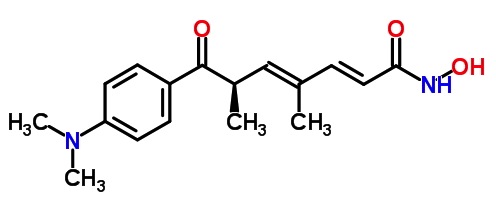
Tyrosol ( 10.8% )
http://www.ncbi.nlm.nih.gov/pubmed/?term=22824366
Mech Ageing Dev. 2012 Aug;133(8):563-74.
doi: 10.1016/j.mad.2012.07.004
Tyrosol,
a main phenol present in extra virgin olive oil, increases
lifespan and stress resistance in Caenorhabditis elegans.
Cañuelo A, Gilbert-López B, Pacheco-Liñán P, Martínez-Lara E, Siles E, Miranda-Vizuete A.
Cañuelo A, Gilbert-López B, Pacheco-Liñán P, Martínez-Lara E, Siles E, Miranda-Vizuete A.
Abstract
Extra virgin olive oil (EVOO) consumption has been traditionally related to a higher longevity in the human population. EVOO effects on health are often attributed to its unique mixture of phenolic compounds with tyrosol and hydroxityrosol being the most biologically active. Although these compounds have been extensively studied in terms of their antioxidant potential and its role in different pathologies, their actual connection with longevity remains unexplored. This study utilized the nematode Caenorhabditis elegans to investigate the possible effects of tyrosol in metazoan longevity. Significant lifespan extension was observed at one specific tyrosol concentration, which also induced a higher resistance to thermal and oxidative stress and delayed the appearance of a biomarker of ageing. We also report that, although tyrosol was efficiently taken up by these nematodes, it did not induce changes in development, body length or reproduction. In addition, lifespan experiments with several mutant strains revealed that components of the heat shock response (HSF-1) and the insulin pathway (DAF-2 and DAF-16) might be implicated in mediating tyrosol effects in lifespan, while caloric restriction and sirtuins do not seem to mediate its effects. Together, our results point to hormesis as a possible mechanism to explain the effects of tyrosol on longevity in C. elegans.
Tyrosol

Pyrrolidine Dithiocarbamate ( 14% )
http://www.ncbi.nlm.nih.gov/pubmed/?term=21483034
Aging (Albany NY). 2011 Apr;3(4):391-4.
Pharmacological
inhibition of NF-κB prolongs lifespan of Drosophila
melanogaster.
Moskalev A, Shaposhnikov M.
AbstractMoskalev A, Shaposhnikov M.
Aging is associated with NF-κB-dependent pro-inflammation. Here we demonstrated that inhibition of NF-κB with pyrrolidine dithiocarbamate increases the median lifespan (13-20%) and the age of 90% mortality (11-14%) in Drosophila melanogaster females and males, respectively.
Pyrrolidine
Dithiocarbamate

Phenformin ( 26% )
http://www.ncbi.nlm.nih.gov/pubmed/?term=7390164
Gerontology. 1980;26(5):241-6.
Effect
of treatment with phenformin, diphenylhydantoin or L-dopa on
life span and tumour incidence in C3H/Sn mice.
Dilman VM, Anisimov VN.
Dilman VM, Anisimov VN.
Abstract
The chronic treatment of female C3H/Sn mice with phenformin (2 mg/day) and diphenylhydantoin (2 mg/day) prolonged mean life span by 23 and 25%, respectively, and decreased spontaneous tumour incidence by 4.0 and 2.3 times, respectively. The chronic treatment of mice with L-dopa (2 mg/day) did not change these parameters and decreased the multiplicity of mammary tumours. The mechanisms of the drug action on mouse life span and tumour incidence are discussed.
Sodium Butyrate ( 19% )
http://www.ncbi.nlm.nih.gov/pubmed/?term=24003736
Adv Gerontol. 2013;26(1):111-6.
Determination
of geroprotective potential of sodium butyrate in Drosophila
melanogaster: long-term effects
Abstract
We have previously shown (Vaiserman A. M. et al., 2012) that the dietary supplementation with histone deacetylase inhibitor sodium butyrate (SB) throughout adult stage or both pre-adult and adult stages results in increase of life span (LS) in Drosophila melanogaster. It was suggested that because of the impact of SB on epigenetic control of gene function and therefore possibility of long-term effects, SB supplementation during the larval stage of development only may also increase adult LS. The present study was carried out to verify that assumption. The nutritional supplementation with SB during the larval stage at the concentration of 20 mmol/l resulted in a significant increase in the male mean LS; maximum LS was significantly increased in males treated with SB at concentrations of 10, 20 and 40 mmol/l. Female mean LS was unchanged following the SB administration; maximum LS was significantly increased in female group treated with SB at concentration of 10 mmol/l only. Female reproductive activity was the same in all groups. To test the hypothesis that the observed long-term effect of SB exposure on the flies' longevity could be caused by the induction of persistent epigenetic changes, the levels of expression of the longevity-associated genes (hsp70, sir2 and InR) were determined. The expression level of sir2 gene, known to mediate longevity in the fly through a pathway related to calorie restriction, in the group treated at the larval stage with 20 mmol/l SB was significantly higher after the stress (starvation) than in the control group.
Sodium
Butyrate

Rapamycin ( 33% )
http://www.ncbi.nlm.nih.gov/pubmed/?term=20017609
Rejuvenation Res. 2010 Apr-Jun;13(2-3):246-7. doi: 10.1089/rej.2009.0903.
Pharmacological
inhibition of phosphoinositide 3 and TOR kinases improves
survival of Drosophila melanogaster.
Moskalev A, Shaposhnikov MV.
Moskalev A, Shaposhnikov MV.
Abstract
Recent progress in our understanding of genetic mechanisms of aging and longevity provides an opportunity to select some enzymes as targets for pharmacological correction. The phosphoinositide 3-kinase (PI3K) and TOR-kinase cascades are affected in some long-lived mutants of different animals, such as nematodes and mice. The purpose of this study was to investigate the geroprotector efficiency of the inhibitors of enzymes that are known to be affected in long-lived mutants. Experimental animals were exposed to low dozes of LY-294002 (5 microM), wortmannin (0.5 microM), and rapamycin (0.5 microM) separately during their lifetimes. We have shown that the specific PI3K inhibitors (LY-294002 and wortmannin) and the TOR-kinase inhibitor rapamycin slightly increase the median and maximal lifespan of the fruit fly, Drosophila melanogaster.
Rapamycin

http://www.ncbi.nlm.nih.gov/pubmed/?term=24409289
PLoS One. 2014 Jan 7;9(1):e83988. doi: 10.1371/journal.pone.0083988. eCollection 2014.
Mice
fed rapamycin have an increase in lifespan associated with
major changes in the liver transcriptome.
Fok WC, Chen Y, Bokov A, Zhang Y, Salmon AB, Diaz V, Javors M, Wood W, Zhang Y, Becker K, Pérez V, Richardson A.
Fok WC, Chen Y, Bokov A, Zhang Y, Salmon AB, Diaz V, Javors M, Wood W, Zhang Y, Becker K, Pérez V, Richardson A.
Abstract
Rapamycin was found to increase (11% to 16%) the lifespan of male and female C57BL/6J mice most likely by reducing the increase in the hazard for mortality (i.e., the rate of aging) term in the Gompertz mortality analysis. To identify the pathways that could be responsible for rapamycin's longevity effect, we analyzed the transcriptome of liver from 25-month-old male and female mice fed rapamycin starting at 4 months of age. Few changes (<300 transcripts) were observed in transcriptome of rapamycin-fed males; however, a large number of transcripts (>4,500) changed significantly in females. Using multidimensional scaling and heatmap analyses, the male mice fed rapamycin were found to segregate into two groups: one group that is almost identical to control males (Rapa-1) and a second group (Rapa-2) that shows a change in gene expression (>4,000 transcripts) with more than 60% of the genes shared with female mice fed Rapa. Using ingenuity pathway analysis, 13 pathways were significantly altered in both Rapa-2 males and rapamycin-fed females with mitochondrial function as the most significantly changed pathway. Our findings show that rapamycin has a major effect on the transcriptome and point to several pathways that would likely impact the longevity.
Resveratrol ( 18/ 59% )
http://www.ncbi.nlm.nih.gov/pubmed/?term=15328413
Proc Natl Acad Sci U S A. 2004 Aug 31;101(35):12980-5. Epub 2004 Aug 24.
An
accelerated assay for the identification of
lifespan-extending interventions in Drosophila melanogaster.
Bauer JH, Goupil S, Garber GB, Helfand SL.
AbstractBauer JH, Goupil S, Garber GB, Helfand SL.
Recent advances in aging research have uncovered genes and genetic pathways that influence lifespan in such diverse organisms as yeast, nematodes, flies, and mice. The discovery of genes and drugs that affect lifespan has been delayed by the absence of a phenotype other than survivorship, which depends on the measurement of age at death of individuals in a population. The use of survivorship to identify genetic and pharmacological interventions that prolong life is time-consuming and requires a large number of homogeneous animals. Here, we report the development of an assay in Drosophila melanogaster using the expression of molecular biomarkers that accelerates the ability to evaluate potential lifespan-altering interventions. Coupling the expression of an age-dependent molecular biomarker to a lethal toxin reduces the time needed to perform lifespan studies by 80%. The assay recapitulates the effect of the three best known environmental life-span-extending interventions in the fly: ambient temperature, reproductive status, and calorie reduction. Single gene mutations known to extend lifespan in the fly such as Indy and rpd3 also extend lifespan in this assay. We used this assay as a screen to identify drugs that extend lifespan in flies. Lipoic acid and resveratrol were identified as being beneficial in our assay and shown to extend lifespan under normal laboratory conditions. We propose that this assay can be used to screen pharmacological as well as genetic interventions more rapidly for positive effects on lifespan.
Resveratrol

Wortmannin ( 39% )
http://www.ncbi.nlm.nih.gov/pubmed/?term=20017609
Rejuvenation Res. 2010 Apr-Jun;13(2-3):246-7.
doi: 10.1089/rej.2009.0903.
Pharmacological
inhibition of phosphoinositide 3 and TOR kinases improves
survival of Drosophila melanogaster.
Moskalev A, Shaposhnikov MV.
Moskalev A, Shaposhnikov MV.
Abstract
Recent progress in our understanding of genetic mechanisms of aging and longevity provides an opportunity to select some enzymes as targets for pharmacological correction. The phosphoinositide 3-kinase (PI3K) and TOR-kinase cascades are affected in some long-lived mutants of different animals, such as nematodes and mice. The purpose of this study was to investigate the geroprotector efficiency of the inhibitors of enzymes that are known to be affected in long-lived mutants. Experimental animals were exposed to low dozes of LY-294002 (5 microM), wortmannin (0.5 microM), and rapamycin (0.5 microM) separately during their lifetimes. We have shown that the specific PI3K inhibitors (LY-294002 and wortmannin) and the TOR-kinase inhibitor rapamycin slightly increase the median and maximal lifespan of the fruit fly, Drosophila melanogaster.
Wortmannin

N-Acetyl-L-Cysteine ( 40% )
http://www.ncbi.nlm.nih.gov/pubmed/?term=20819793
J Gerontol A Biol Sci Med Sci. 2010 Dec;65(12):1275-84. doi: 10.1093/gerona/glq155. Epub 2010 Sep 5.
Life
extension by diet restriction and N-acetyl-L-cysteine in
genetically heterogeneous mice.
Flurkey K, Astle CM, Harrison DE.
Flurkey K, Astle CM, Harrison DE.
Abstract
We used a heterogeneous stock of mice-UM-HET3, the first generation offspring of CByB6F1/J and C3D2F1/J parents-to test effects of six antiaging treatments on life span. In the first report of diet restriction in a structured, segregating heterogeneous population, we observed essentially the same increases in mean and maximum life span as found in CByB6F1/J hybrid positive controls. We also report results of treatment with N-acetyl-L-cysteine started at 7 months, and aspirin, nitroflurbiprofen, 4-hydroxy phenyl N-tert-butyl nitrone, and nordihydroguaiaretic acid, all started at 16-18 months. Only male UM-HET3 mice receiving N-acetyl-L-cysteine had significantly increased life span, and this may have been due to treatment-related inadvertent diet restriction. The other agents had no significant effects on life span. The use of UM-HET3 mice helps assure that these results are not the result of unresponsiveness of a single genotype but that they more broadly represent laboratory mice.
N-Acetyl-L-Cysteine

Geroprotector
Patents
METHODS AND COMPOSITIONS FOR SLOWING AGING
WO2005055951
The present invention provides a pharmacological agent based on derivatives of hydrogenated pyrido (4,3-b) indoles and uses thereof. Specifically, the invention provides a geroprotector in the series of hydrogenated pyrido (4,3-b) indoles (several derivatives), which can be used for slowing aging, prolonging lifespan of an individual or cells in an individual, and/or improving quality of life of an individual developing or having a risk of developing age-associated manifestations and/or pathologies.
Methods and compositions for slowing aging
US2007179174
The present invention provides a pharmacological agent based on derivatives of hydrogenated pyrido (4,3-b) indoles and uses thereof. Specifically, the invention provides a geroprotector in the series of hydrogenated pyrido (4,3-b) indoles (several derivatives), which can be used for slowing aging, prolonging lifespan of an individual or cells in an individual, and/or improving quality of life of an individual developing or having a risk of developing age-associated manifestations and/or pathologies.
A PREPARATION WITH PROPERTIES OF GEROPROTECTOR - ANTIOXIDANT
UA79710
The invention relates to a preparation with properties of geroprotector -antioxidant containing succinic acid and porous carrier thereof, at that as carrier enterosorbent obtained from the waste of vegetative raw material is used at the following ratio of components, % by weight: enterosorbent 50-90succinic acid 10-50.
USE OF ELGACIN AS GEROPROTECTOR
UA75550
The invention relates to the medicine and the pharmacy, in particular to geroprotectors of plant origin. The invention consists in the use of Elgacin as geroprotector for restoring the altered structure of myocardium, improving microcirculation, eliminating hypo- and hypertrophy of muscular fibers, to treat cardiosclerosis. Elgacin is a known cardioprotector and antioxidant containing elagotannin complex from the alder infructescences. The use ofElgacin provides for increasing the lifespan by 16.06 %.
GEROPROTECTOR ACTIVITY EXHIBITING AGENT AND A METHOD FOR PREPARATION THEREOF
RU2302870
FIELD: pharmaceutical chemistry.
SUBSTANCE: group of inventions relate to isolation of biologically active substance from animal epiphysis and preparation of therapeutical agent for parenteral administration, which can be used in medicine as agent exhibiting geroprotector activity. This agent is made in the form of therapeutical agent for parenteral administration and represents peptide complex containing low-molecular weight polypeptide fraction between 70 and 90% with molecular weights of included peptide components within a range of 70 to 212 Da and concentration of polypeptides 2.5-2.9 mg/mL. Such substance is obtained from epiphysis of calves at age no more than 12 months and of porcine epiphysis via extraction with acetic acid in presence of zinc chloride. Preparation procedure involves in freezing epiphysis of calves at age no more than 12 months or porcine epiphysis at temperature not higher than -40 DEG C, kept at temperature from -20 to -22 DEG C over a period not less than two months, then ground, after which 3% acetic acid is added at volume ratio 1:5 at 20+-5 DEG C. Subsequent extraction is performed at continuous stirring until homogenous slurry is formed, to which 1% zinc chloride solution is added at volume ratio 50:1. Resulting mixture is cooled at continuous stirring to 7-16 DEG C, then stirred for 48 h at a regime of 1 h stirring followed by 4 h settling. Extract is separated from ballast materials in separator, supplemented by acetone at volume ratio 1:5, kept at 3-5 DEG C for 4 h to form homogenized precipitate, which is re-precipitated with acetone at least 2 times. Thus obtained precipitate containing active substance is rinsed on nutsch filter with two volumes of acetone cooled to 7-16 DEG C until light gray precipitate is obtained, which is forced through metallic riddle, dried, and dissolved in distilled water at ambient temperature and continuous stirring to concentration of polypeptides 2.5-2.9 mg/mL. Solution is centrifuged, filtered, subjected to ultrafiltration purification at back pressure no higher than 1 kg/cm2 through materials with retention capacity 15000 Da. Ultrafiltrate is supplemented by glycin to its final concentration 10-20 mg/mL at pH=5.6-6.6, solution is subjected to sterilizing filtration under pressure at most 2.0 kg/cm2, poured into 2-mL ampoules and autoclaved for 8 min at 120 DEG C and atmospheric pressure 1.1 kg/cm2. Thus, impurities-free aqueous solution of extract with polypeptide concentration 2.5-2.9 mg/mL is obtained. Isolated substance differs from previously obtained substances isolated from animal epiphysis by molecular weight of peptide components. Substance is not toxic and manifests no antipyrogenic effects.
EFFECT: optimized isolation technology allowing not only preparation of impurities-free product but also increased yield thereof.
Biologically active pharmaceutical product
DE4309339
The invention relates to a biologically active pharmaceutical product of natural origin. According to the invention it contains an acid hydrolysate from Mytilus species, preferably a hydrolysate which contains amino acids, melanoidins and trace elements from Mytilus edulis and Mytilus galloprovincialis. The invention additionally relates to various uses of this product. It is particularly suitable as prophylactic and therapeutic radiopharmaceutical in humans and animals, has antiinflammatory effects, stimulates regeneration processes after injuries and operations, and blood production, especially under the conditions of chemo- and radiotherapy of tumours. The products according to the invention have furthermore proved effective under conditions of psychological and/or physical stress and as geroprotector.