Henry DANIELL, et al.
Anti-bacterial Chewing Gum
https://penntoday.upenn.edu/news/penn-dental-medicine-fighting-oral-cancer-bioengineered-chewing-gum
Fighting oral cancer with bioengineered chewing gum
Research led by Penn Dental’s Henry Daniell shows that antiviral and antibacterial chewing gums reduce the levels of three microbes linked to worse outcomes in oral cancers...
Researchers led by Henry Daniell of the School of Dental Medicine have shown that extracts from bioengineered chewing gum reduce the levels of three microbes known to be associated with head and neck squamous cell cancer (HNSCC), paving the way for more effective and affordable therapies. Their findings are published in Scientific Reports.
Head and neck squamous cell carcinoma (HNSCC) is a common cancer that develops in the lining of the mouth and throat. It can be aggressive and often has poor outcomes, especially when diagnosed at advanced stages, says Daniell. He notes that most recently approved cancer drugs have not significantly improved quality-of-life or five-year survival rates, underscoring the need for better therapies.
Building from their previous work using a chewing gum made from lablab beans (bean gum) containing the naturally antiviral protein FRIL, Daniell and colleagues examined the levels of three microbes linked to cancer — human papilloma virus, or HPV, and two species of bacteria, Porphyromonas gingivalis (Pg) and Fusobacterium nucleatum (Fn) — in oral samples from patients with HNSCC.
“The global increase in oropharyngeal cancer is linked to HPV infection,” says Daniell. “And Pg and Fn infections worsen survival rates of untreated recurrent or metastatic oral cancer, even after surgery and risk-adjusted adjuvant, or supplemental, therapies.”
They found that bean gum extracts reduced HPV levels by 93% in saliva samples and by 80% in oral rinse samples. When they bioengineered the bean gum to also contain protegrin, an antimicrobial peptide that can kill harmful bacteria, they found that a single dose reduced the levels of Pg and Fn to almost zero without affecting the beneficial bacteria normally found in the mouth. This contrasts with radiation therapy, which both reduces beneficial bacteria and increases disease-causing yeast (Candida albicans).
“Lip and oral cavity cancer was the seventh leading cancer type in cancer incidence and mortality rate worldwide in adolescents, young adults, and middle-aged adults in 2022,” says Daniell. “Our findings support the value of advancing these therapies to clinical trials as adjuvants with current treatments or as prophylaxis to prevent infection and transmission.”
Henry Daniell is the W.D. Miller Professor in the Department of Basic & Translational Sciences at the School of Dental Medicine at the University of Pennsylvania...
https://whyy.org/articles/gum-cancer-research-penn-philadelphia-hyacinth/
Can bioengineered chewing gum help prevent oral, head and neck cancers? Penn researchers are hopeful
The gum is made from a bean plant and contains antiviral, antibacterial and antifungal properties. It’s being tested against HPV, influenza and other diseases.
By Nicole Leonard
May 27, 2026
...scientists and researchers grow hyacinth beans, also known as Lablab purpurpeus, which contains a natural antiviral protein called FRIL. The plant is turned into a powder and then sent to a third-party company, which manufactures the powder into a chewing gum.
Researchers also add an antimicrobial peptide called protegrin, which can kill harmful bacteria.
The final product is designed to kill or neutralize different kinds of viruses including HPV and types of bacteria like Porphyromonas gingivalis and Fusobacterium nucleatum ⸻ all of which are linked to multiple kinds of cancer.
To do that, the bioengineered gum acts like a “fly trap,” Daniell explained.
“The virus [particles], when they are separate, they enter the cells and infect the human cells, but if they are aggregated, they cannot,” he said. “So, this FRIL gum, it aggregates them. When they are a lump, it sticks to the chewing gum.”
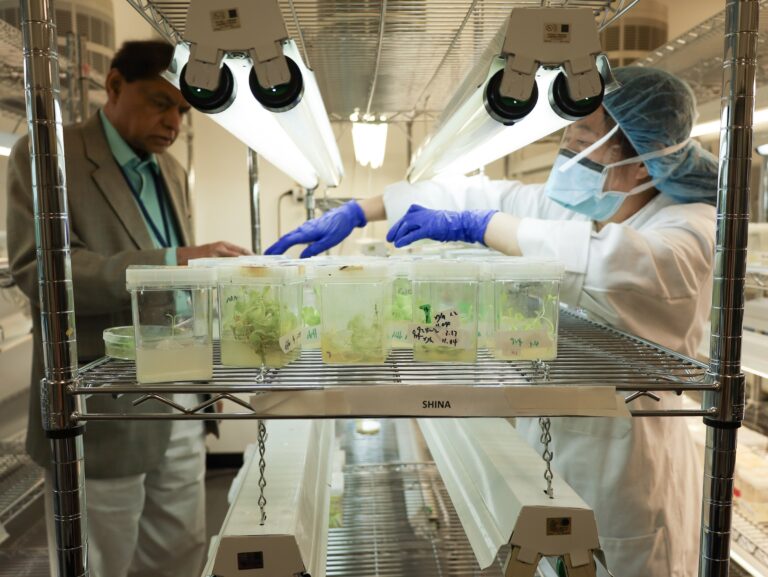
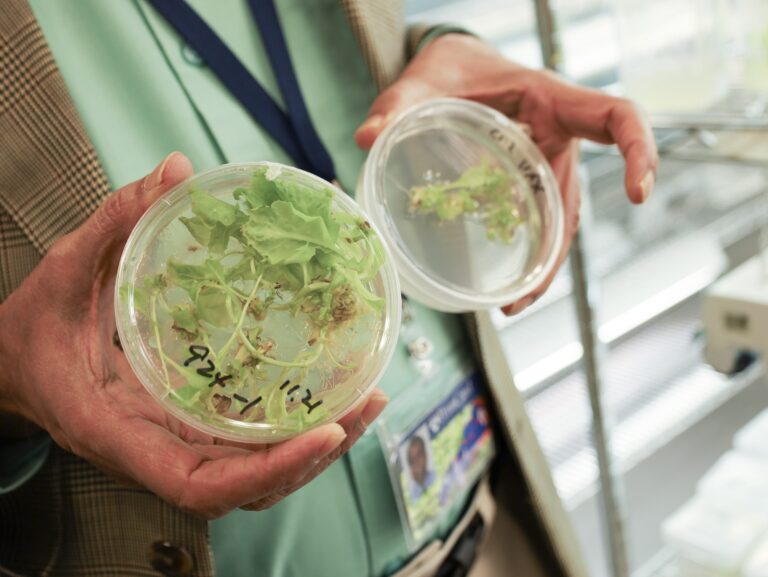
Researchers have tested the effectiveness of this method against HPV in saliva samples taken from people who’ve tested positive for the virus.
Early data shows that the gum reduced the viral load of HPV by 93%. When combined with an antimicrobial peptide, a single piece of gum killed nearly all levels of Porphyromonas gingivalis and Fusobacterium nucleatum bacteria.
The team at Penn will continue to study the effectiveness of the gum in an HPV clinical trial this year based at Penn Medicine.
Co-investigator and dentist Dr. Marc Henschel said the outcome of the clinical trial could strengthen evidence, and show how the gum could potentially help protect a spouse or intimate partner of someone who has already been diagnosed with an HPV-related cancer.
https://pubmed.ncbi.nlm.nih.gov/39663701/
Mol Ther. 2025 Jan 8;33(1):184-200.
doi: 10.1016/j.ymthe.2024.12.008. Epub 2024 Dec 10.
Debulking influenza and herpes simplex virus strains by a wide-spectrum anti-viral protein formulated in clinical grade chewing gum
Henry Daniell, Yuwei Guo, Rahul Singh, Uddhab Karki, Rachel J Kulchar, Geetanjali Wakade, Juha-Matti Pihlava, Hamid Khazaei, Gary H Cohen
[ PDF ]
Abstract -- Lack of Herpes Simplex Virus (HSV) vaccine, low vaccination rates of Influenza viruses, waning immunity and viral transmission after vaccination underscore the need to reduce viral loads at their transmission sites. Oral virus transmission is several orders of magnitude higher than nasal transmission. Therefore, in this study, we evaluated neutralization of viruses using a natural viral trap protein (FRIL) formulated in clinical-grade chewing gum. FRIL is highly stable in the lablab bean powder (683 days) and in chewing gum (790 days), and fully functional (794 days) when stored at ambient temperature. They passed the bioburden test with no aerobic bacteria, yeasts/molds, with minimal moisture content (1.28-5.9%). Bean gum extracts trapped HSV-1/HSV-2 75-94% in a dose-dependent manner through virus self-aggregation. Mastication simulator released >50% release of FRIL within 15 min of chewing the bean gum. In plaque reduction assays, >95% neutralization of H1N1 and H3N2 required ∼40 mg/mL, HSV-1 160 mg/mL, and HSV-2 74 mg/mL of bean gum for 1,000 copies/mL virus particles. Therefore, a 2000 mg bean gum tablet has more than adequate potency for clinical evaluation and is safe with no detectable levels of glycosides. These observations augur well for evaluating bean gum in human clinical studies to minimize virus infection/transmission.
https://www.nature.com/articles/s41598-026-39062-w
Ex vivo HNSCC clinical studies using saliva and antiviral or antibacterial chewing gums reveal reduction in carcinogenic microbes
Henry Daniell et al
[ PDF ]
Abstract -- Higher abundance of oral human papilloma virus (HPV), Porphyromonas gingivalis (Pg) and Fusobacterium nucleatum (Fn) correlate with worse survival of head and neck squamous cell carcinoma (HNSCC). One-third of males globally are HPV-positive, one-fifth have high-risk HPV-16 and is transmitted through oral sex. In our ex vivo clinical study of HNSCC patients, HPV ELISA detected viruses in 100% of saliva and 75% of oral-rinse samples (n = 44). Cell culture studies showed 1000-fold higher Pg/Fn in their saliva and 100-fold higher in oral-rinse samples than non-cancer control participants. Bean-lectin (FRIL) gum (trapped) aggregated 93% of HPV in saliva and 80% in oral-rinse samples in ELISA. Single dose of bean gum + protegrin-1 (antimicrobial peptide) reduced Pg/Fn > 99% in saliva and oral-rinse samples (n = 42). Although protegrin was effective against anaerobic Pg/Fn, it did not kill capsule forming bacteria including Streptococci, providing selectivity and protection of oral commensal bacteria. These findings from ex vivo clinical studies support potential value of advancing these biologics to clinical trials as adjuncts to current therapeutic strategies or as prophylaxis to control pathogenic microbes associated with HNSCC.
WO2022241010 / US2024277819 -- COMPOSITIONS AND METHODS FOR DEBULKING VIRUS OR MICROORGANISM LOAD IN THE ORAL CAVITY
Inventor: RICCIARDI ROBERT, et al
Applicant: UNIV PENNSYLVANIA
Compositions and methods for reducing viral load in the oral cavity, particularly Coronavirus such as SARS-CoV-2 and Influenza viral loads are disclosed. Also disclosed are compositions and methods for reducing bacterial or fungal loads in the oral cavity. The compositions comprise a trapping molecule having binding affinity for a protein, glucan, or other molecule on the surface of a virus or microorganism. A carrier appropriate for oral administration, in the form of a chewing gum, long-acting lozenge, or tablet, is further disclosed, to enable easy administration before or after exposure to the infective agent.